




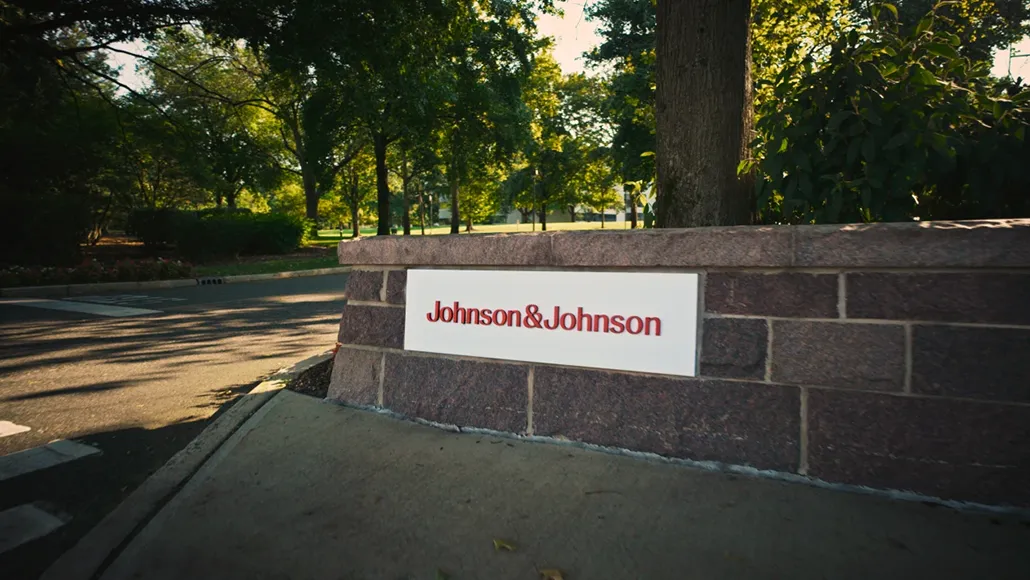
Johnson & Johnson announced that it plans to invest more than $1 billion to construct a new cell therapy facility in Pennsylvania. The move forms part of the company’s broader strategy, unveiled last year, to expand its U.S. manufacturing base as President Donald Trump’s tariff threats continue to shape industry decisions.
The Pennsylvania cell therapy plant announcement follows Johnson & Johnson’s disclosure in March that it would allocate more than $55 billion through early 2029 toward the development of manufacturing facilities and research infrastructure across the United States. That programme includes a separate plant in Wilson, North Carolina.
The U.S. government in October introduced a 100% tariff on branded drugs, specifying that the measure would apply only to manufacturers that had not already begun construction on U.S. production sites.
Other major pharmaceutical companies have outlined similar investment commitments. Eli Lilly and AstraZeneca are among the drugmakers that have pledged billions of dollars to expand their U.S. manufacturing presence in response to Trump’s initiatives, including tariff threats.
Johnson & Johnson said the new Montgomery County facility is expected to generate more than 4,000 construction jobs. Once operational, it will support 500 permanent positions in biomanufacturing. The company did not indicate a timeline for when the plant will start operations.
According to the company, the Pennsylvania cell therapy plant will increase manufacturing capacity for treatments addressing cancer, immune disorders, and neurological diseases.
Johnson & Johnson currently markets one approved cell therapy, Carvykti, which is indicated for adults with certain types of multiple myeloma, a cancer that develops in plasma cells within the bone marrow.
The company stated that it already operates 10 facilities in Pennsylvania, which together contribute an estimated annual economic impact of about $10 billion.
Separately, in August, the drugmaker announced plans to invest $2 billion in a manufacturing facility in Holly Springs, North Carolina. That project is being developed under a 10-year agreement with Tokyo-based contract drug developer Fujifilm Biotechnologies.