












Pharmaceutical research and development environments are in a state of high pressure at present. In an environment where sample volumes are increasing and molecular research processes are becoming ever more complex, traditional methods are being stretched to their limits.
Researchers have to deal with the highest reproducibility requirements ever, and this makes it difficult to scale traditional research environments. To meet the requirements of modern research environments, pharmaceutical research environments have to shift to smart laboratory environments.
What Defines a Smart Laboratory in Pharmaceutical Research
A smart lab is more than just a room full of new and exciting technology; it is an integrated system where the tools, software, and data streams are all connected. This is important because it eliminates the errors that are common in traditional lab settings due to the need for manual transcription of data. When devices communicate with each other, data flows effortlessly from the bench to the analysis side.
Automation as the Foundation of Smart Labs
Automation is the critical building block of this infrastructure, which ensures the repeatable performance of routine tasks. As per the insights from McKinsey & Company, automation in R&D labs is a revolutionary process that bridges the gap between initial sampling and final data output. As the demand for research increases, labs are increasingly using these technologies to ensure consistent output without overburdening their human resources.
Structured Data and Traceability
In addition, smart labs are highly efficient at structured data. This level of traceability is highly beneficial for audit trails and ensures regulatory requirements, which are not negotiable in the pharma industry.
Why Pharmaceutical Laboratories Are Moving Towards Smart Infrastructure
The change towards smart infrastructure can be largely attributed to the explosion of data that has occurred in areas like genomics, biologics, and precision medicine. These areas are producing vast amounts of data, which manual systems are unable to keep up with. The laboratory has to deal with more samples than ever, with little scope to expand its workforce of specialists.
The Need for Reproducibility and Consistency
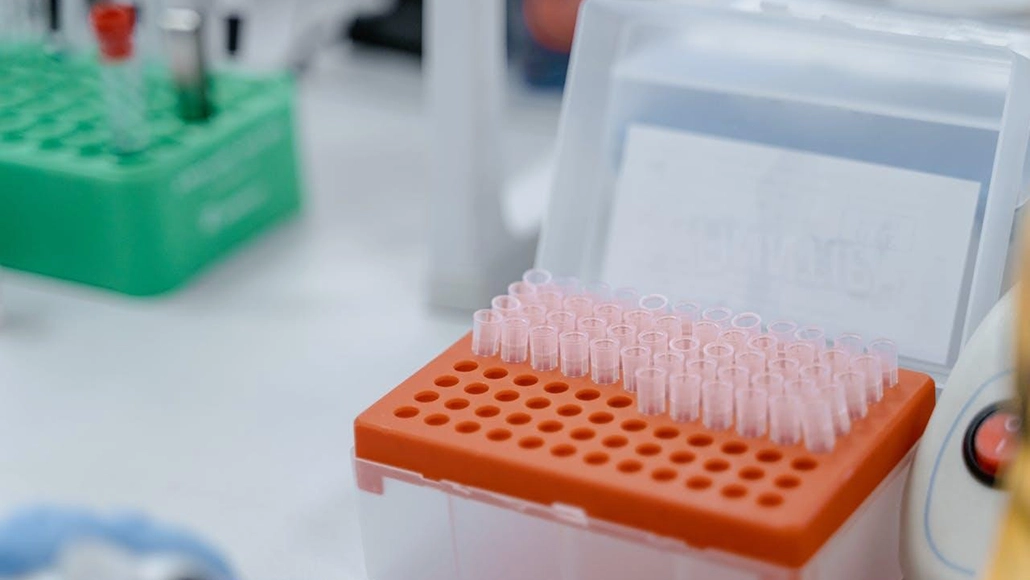
I believe that consistency is the biggest motivator for change. While pipetting is an essential basic laboratory skill, it is, by its very nature, inconsistent between operators. Even the most experienced scientist has off days.
The standardization of automated processes helps eliminate this ‘human factor’ for consistent results in complex laboratory processes. According to reports published by ScienceDirect, modular robotic systems have been proven to increase productivity and consistency in biochemical assays by eliminating the inconsistent results obtained by manual processes.
Operational Efficiency and Resource Allocation
By taking away the time spent on repetitive, “labour-intensive” tasks, automation enables skilled scientists to redirect their efforts. Rather than dedicating hours at the bench to performing routine dilutions, they can devote their time to analyzing data, designing assays, and problem-solving. This, in turn, not only boosts their morale but also maximizes the most precious resource of the lab; its intellectual capital.
Key Technologies Enabling the Smart Laboratory
There are a number of key technologies that drive the contemporary smart lab. Artificial Intelligence (AI) and data analysis software are increasingly being employed to detect anomalies or patterns that would not be apparent to the naked eye.
Robotic Sample Handling
Robotics have also become a common feature in repetitive handling tasks. By automating tasks such as plate handling, robotics eliminate human error and ensure consistent speeds in high-throughput applications. This is especially important in the “Pharma 4.0” setting, where real-time observation and IoT integration are increasingly becoming the norm, as PharmaTech Outlook states.
Automated Liquid Handling Systems
Among the most widely used technologies for the smart infrastructure of a laboratory is the liquid handler, which automates repetitive steps of pipetting and ensures consistency in sample preparation for high-throughput experiments.
Liquid handling is the first step that a lab takes towards automation because it enables everything from reagent handling to assay setup and normalization. With the implementation of a good system, a lab can handle its projects effectively without having to employ a small army of technicians to keep up with the volume of pipetting.
How Smart Labs Improve Drug Discovery and Development
The most tangible advantage is the speed at which experimental cycles are completed. If one considers that the time required for setting up an experiment is minimized by using smart lab technologies, one will understand that this is very important in the early stages of drug development, where a “lead” compound is critical in saving millions in drug development costs.
Improved Data Quality
And then, of course, there is the undeniable advantage of data quality. If one considers that data is more robust if every sample is treated in exactly the same way, one will understand that this is very important in order to increase confidence in the results.
Scalable Research Infrastructure
Smart labs also offer a future-proof infrastructure. As the infrastructure is based on digital workflows and flexible automation, organizations are able to scale up their projects or switch to a different area of research without having to rethink their physical workspace from scratch. This is a huge advantage in today’s rapidly changing market.
Practical Steps for Laboratories Transitioning to Smart Infrastructure
If you are interested in upgrading your facility, the most effective strategy is to first look for areas of repetitive workflow bottlenecks. What are the most time-consuming manual processes for your scientists? It is in these regions that automation will likely give you the fastest return on investment.
It is also important to note that many labs have found success by implementing technology in a gradual fashion, rather than trying to do an overnight transformation. By beginning with the automation of liquid handling and then moving on to robotics or AI analytics, you can begin to see the benefits of a connected lab.
It is also important to note that you should align your technology strategy with your research needs. You should choose tools that are easy to integrate with your existing protocols and instruments to prevent the development of “data silos” that undermine the value of a connected lab.
The Future of Smart Laboratories in Pharmaceutical Research
The path forward for pharmaceutical research is well-defined, and the laboratories of the future will be those where instrumentation and experimentation are fully connected. We are beginning to see the development of AI-based research protocols where the parameters of the experiment can be adjusted in real-time based on the information received. This move towards “Pharma 4.0” is the complete digital transformation of our approach to medicine, as described by Pharma Focus Europe.
As the level of complexity within the process of developing new drugs continues to rise, the only way to ensure that research laboratories continue to provide these lifesaving breakthroughs at the pace and quality necessary will be through the adoption of these smart laboratory tools.