






How Digital Dentistry Creates More Comfortable Patient Journeys
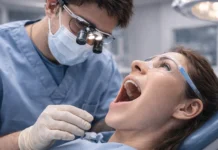
For many people, visiting the dentist can still feel like a stressful experience. However, advances in digital dentistry are rapidly transforming the way patients experience dental care, making appointments faster, more precise, and far more comfortable than ever before. By integrating cutting-edge technology into everyday workflows, dental practices are now able to deliver smoother, more patient-friendly journeys from start to finish.
Faster Appointments with Less Waiting
One of the biggest advantages of digital dentistry is the ability to significantly reduce appointment times. Traditional dental procedures often required multiple visits, messy impressions, and long waiting periods for restorations to be created. Today, digital scanners and CAD/CAM technology allow dentists to capture highly accurate images of a patient’s teeth in minutes.
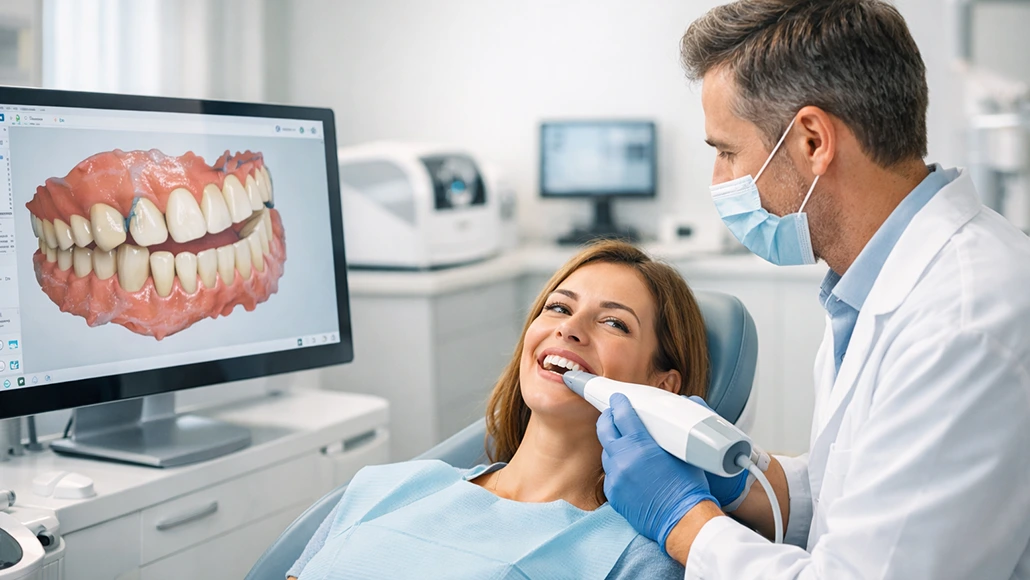
These digital impressions eliminate the need for uncomfortable trays filled with impression material, which many patients find unpleasant. Instead, a small handheld scanner creates a precise 3D model of the mouth. This not only improves comfort during the appointment but also speeds up the entire treatment process.
Improved Accuracy Means Less Discomfort
Digital dentistry enhances precision at every stage of treatment. From diagnostics to restorations, advanced imaging tools help dentists identify issues earlier and plan treatments with greater accuracy. This reduces the likelihood of errors, adjustments, or repeat visits, all of which can contribute to patient discomfort.
For example, when creating crowns, bridges, or aligners, dentists often collaborate with dental laboratories like GoDigital Dental to produce highly accurate restorations. Because these restorations are designed using digital data, they typically fit better from the start, minimizing the need for uncomfortable modifications during fitting appointments.
Minimally Invasive Treatments
Another major benefit of digital dentistry is its ability to support minimally invasive procedures. Technologies such as digital X-rays, intraoral cameras, and laser dentistry allow dentists to treat problems more conservatively.
Digital X-rays use lower levels of radiation and provide instant images, enabling quicker diagnosis. Meanwhile, laser tools can often replace traditional drills in certain procedures, reducing noise, vibration, and discomfort. For patients who feel anxious about dental visits, these quieter, gentler techniques can make a significant difference.
Better Communication and Patient Confidence
Digital tools also improve communication between dentists and patients. With 3D imaging and visual simulations, patients can clearly see their current dental condition and understand proposed treatments. This transparency helps build trust and reduce anxiety, as patients feel more informed and in control of their care.
In many cases, dentists can even show a preview of the expected results before treatment begins. Whether it is a cosmetic procedure or restorative work, this level of clarity helps patients feel more confident about moving forward.
Streamlined Workflows and Fewer Visits
Because digital dentistry integrates seamlessly with modern dental laboratories and in-office systems, it allows for more efficient workflows. Treatments that once required several appointments can now often be completed in one or two visits.
This is especially beneficial for busy patients who want high-quality care without the inconvenience of repeated trips to the dental office. Fewer visits also mean less disruption to daily life and reduced overall stress associated with dental care.
A More Patient-Centered Future
Digital dentistry is not just about technology it is about improving the patient experience. By reducing discomfort, shortening treatment times, and enhancing communication, these innovations are helping to create a more relaxed and positive journey for every patient.
As digital tools continue to evolve, patients can expect even greater levels of comfort and convenience in the years ahead. For dental practices, embracing these advancements is no longer optional it is essential for delivering the kind of care modern patients expect and deserve.