











Advancements in medical imaging and digital diagnostic technologies are reshaping how healthcare professionals detect, monitor, and treat a wide range of conditions.
Over the past two decades, innovations such as high-resolution digital imaging, artificial intelligence-assisted analysis, and 3D visualization have dramatically improved the accuracy and efficiency of diagnostic processes.
These technologies are enabling clinicians to identify diseases earlier, develop more precise treatment plans, and ultimately improve patient outcomes across multiple medical specialties.
The Evolution of Medical Imaging
Medical imaging has long been a cornerstone of modern healthcare. Traditional radiography, ultrasound, and computed tomography (CT) scans have helped clinicians visualize internal structures and diagnose diseases that would otherwise remain hidden.
However, digital transformation has significantly expanded the capabilities of imaging technologies. Digital radiography allows clinicians to capture high-resolution images instantly, while advanced imaging systems such as cone beam computed tomography (CBCT) and magnetic resonance imaging (MRI) provide detailed three-dimensional views of
anatomical structures.
These innovations allow healthcare providers to detect abnormalities with greater clarity and accuracy than ever before.
Digital systems also enable images to be stored, shared, and analyzed more efficiently. Clinicians can collaborate with specialists, compare historical images, and monitor disease progression with improved precision.
Enhancing Diagnostic Accuracy
One of the most significant benefits of modern imaging technology is its ability to enhance diagnostic accuracy. High-resolution imaging systems can reveal subtle structural changes that may indicate early-stage disease.
For example, advanced imaging technologies are widely used to detect tumors, cardiovascular abnormalities, neurological disorders, and musculoskeletal injuries at earlier stages. Early detection plays a crucial role in improving treatment outcomes because many diseases respond better when addressed before they progress.
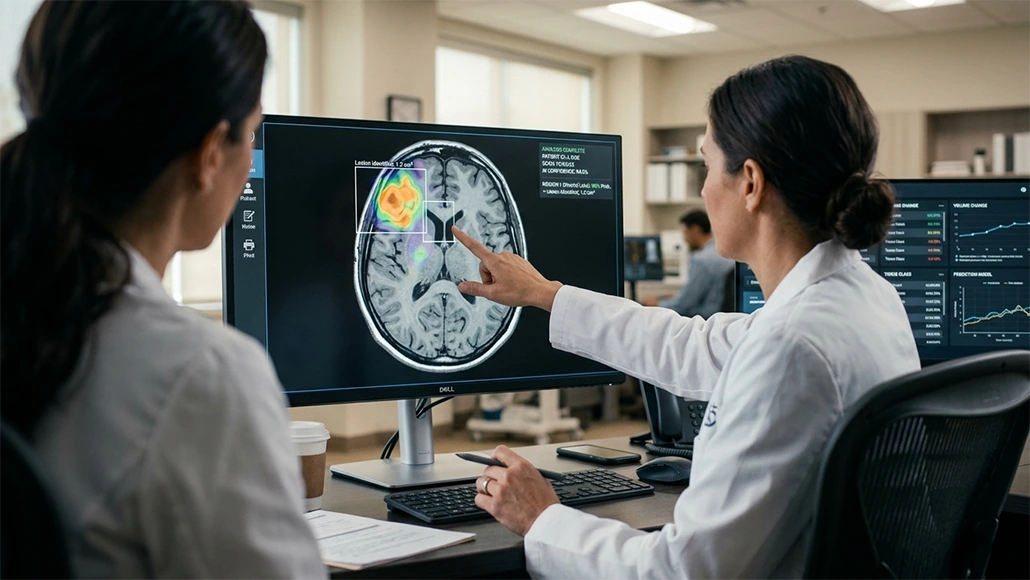
In addition to higher image quality, digital diagnostic tools increasingly incorporate artificial intelligence toassist clinicians in interpreting complex medical images. AI algorithms can
analyze large datasets of imaging results and identify patterns that may be difficult to detect through manual analysis alone.
These tools are not intended to replace physicians, but rather to support clinical decision-making and reduce the risk of overlooked abnormalities.
Improving Treatment Planning
Beyond diagnostics, advanced imaging technologies are transforming how clinicians plan and perform treatments.
Three-dimensional imaging allows healthcare professionals to visualize anatomical structures from multiple angles, enabling more precise planning for surgical procedures and medical interventions. In fields such as oncology, orthopedics, cardiology, and dentistry, these tools are helping clinicians develop personalized treatment strategies tailored to
each patient’s unique anatomy.
For example, surgeons can now use digital imaging data to simulate procedures before performing them, identifying potential risks and optimizing surgical approaches. This level of preparation helps reduce complications and improve recovery outcomes.
In dental medicine, advanced imaging technologies have also improved treatment planning for procedures such as dental implants, root canal therapy, and orthodontic treatments.
According to Dr. Tom Hardenbergh, digital diagnostics have significantly enhanced how clinicians evaluate oral health conditions.
“Advanced imaging allows us to detect structural changes in teeth and bone much earlier than traditional methods,” says Dr. Hardenbergh. “With clearer images and better diagnostic tools, we can provide patients with more accurate treatment plans and address potential issues before they become serious problems.”
Supporting Preventive Healthcare
Preventive healthcare is increasingly recognized as a critical component of modern medical systems. By identifying diseases early, healthcare providers can intervene before conditions worsen, often reducing the need for more invasive treatments later.
Advanced imaging technologies support preventive care by enabling clinicians to monitor subtle changes in tissues and organs over time. Digital diagnostic platforms allow physicians to track disease progression, evaluate treatment effectiveness, and adjust care plans accordingly.
In addition, digital health records integrated with imaging systems allow healthcare providers to maintain comprehensive patient histories, ensuring that diagnostic information is accessible across different medical departments and specialists.
The Role of Artificial Intelligence
Artificial intelligence is expected to play an increasingly important role in medical imaging and diagnostics in the coming years.
Machine learning algorithms can analyze vast datasets of medical images to identify patterns associated with specific diseases. As these systems continue to improve, they may help clinicians detect conditions earlier and with greater accuracy.
AI-powered tools can also assist radiologists and clinicians by prioritizing cases that require
urgent attention and flagging potential abnormalities for further review.
Although human expertise remains essential, AI-supported diagnostics have the potential to significantly enhance efficiency within healthcare systems while improving patient safety.
Looking Ahead
The continued integration of advanced imaging technologies, digital diagnostics, and artificial intelligence represents one of the most promising developments in modern healthcare.
As these technologies evolve, they will likely play an even greater role in improving early disease detection, enhancing treatment planning, and supporting preventive healthcare strategies.
By combining clinical expertise with powerful diagnostic tools, healthcare professionals are better equipped to deliver precise, personalized care that leads to improved patient outcomes.