





Close
Almac
Achema middle east

FDA And NIH Working Together To Discover More About ALS

Note* - All images used are for editorial and illustrative purposes only and may not originate from the original news provider or associated company.

Subscribe

- Never miss a story with notifications

- Gain full access to our premium content

- Browse free from any location or device.

Media Packs

Expand Your Reach With Our Customized Solutions Empowering Your Campaigns To Maximize Your Reach & Drive Real Results!

– Access the Media Pack Now

– Book a Conference Call

Leave Message for Us to Get Back

Related stories

Sanofi to Buy Vaccine Developer Dynavax in a $2.5b Deal

The French pharma giant, Sanofi, has started a $15.50...

AstraZeneca Commits $100mn for Pan-KRAS Inhibitor by Jacobio

AstraZeneca has gone ahead and committed $100 million to...

Laboratory Equipment Outsourcing Through CDMOs: Strategic and Cost Implications

Outsourcing laboratory infrastructure to CDMOs offers pharma companies critical agility, transforming fixed capital costs into flexible operational expenses while accessing cutting-edge technology like Cryo-EM.
- Advertisement -

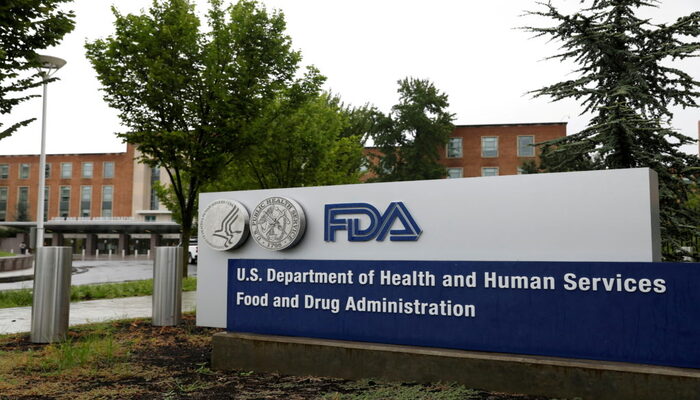
The Critical Path for Rare Neurodegenerative Diseases (CP-RND), a new public-private partnership created to advance the development of treatments for amyotrophic lateral sclerosis (ALS) and similar rare neurodegenerative conditions, has been initiated by the US Food and Drug Administration (FDA) and the National Institutes of Health (NIH).

One of the project’s main goals is to find and implement strategies to expedite drug development for the diseases. FDA Chief Medical Officer Dr. Hilary Marston said that the cooperation they are releasing will utilise the common experience of all parties to offer a path towards new discoveries in treating these diseases. The pharmaceutical industry places a high priority on finding a treatment soon because the diseases are progressive and ultimately fatal.

The Critical Path Institute (C-Path) will be used by the collaborators to aid with communication management. As part of the effort, C-Path will bring together specialists in uncommon neurodegenerative diseases from the patient community and advocacy groups. Dr. Walter Koroshetz, Director of the National Institute of Neurological Disorders and Stroke (NINDS), a division of the National Institutes of Health (NIH), said that this public-private partnership will bring together the entire ALS community to create novel strategies and methods for therapy development and clinical testing with the goal of finally producing a treatment that stops the tragic progression of ALS.

The CP-primary RND’s focus will be on patient-centered drug development. Additionally, scientific data on uncommon neurodegenerative diseases will be gathered by the FDA-funded Rare Disease Cures Accelerator-Data and Analytics Platform (RDCA-DAP), which will help with the classification of neurodegenerative diseases, their natural histories, and the recognition of their molecular targets. Increasing the effectiveness, predictability, and productivity of therapeutic therapies will be another area of progress.

The FDA established a new five-year plan earlier this year to shorten the time it takes ALS patients to receive life-saving treatments. A crucial component of that schedule is its partnership with the NIH, which pledges to strengthen upcoming advances.


Latest stories

Related stories

Sanofi to Buy Vaccine Developer Dynavax in a $2.5b Deal

The French pharma giant, Sanofi, has started a $15.50...

AstraZeneca Commits $100mn for Pan-KRAS Inhibitor by Jacobio

AstraZeneca has gone ahead and committed $100 million to...

Laboratory Equipment Outsourcing Through CDMOs: Strategic and Cost Implications

Outsourcing laboratory infrastructure to CDMOs offers pharma companies critical agility, transforming fixed capital costs into flexible operational expenses while accessing cutting-edge technology like Cryo-EM.

Specialized Laboratory Equipment Requirements for Biologics and Biosimilar Development

The development of complex biological molecules requires a specialized toolkit distinct from traditional small-molecule chemistry. This article details the critical laboratory equipment—from advanced bioreactors to high-resolution characterization tools—that enables the precise engineering and rigorous analysis required for successful biologics and biosimilar innovation.

Subscribe

- Never miss a story with notifications

- Gain full access to our premium content

- Browse free from any location or device.

Media Packs

Expand Your Reach With Our Customized Solutions Empowering Your Campaigns To Maximize Your Reach & Drive Real Results!

– Access theMedia Pack Now

– Book a Conference Call

Leave Message for Us to Get Back

Translate »