











The biopharmaceutical industry is currently witnessing a tectonic shift in how life-saving medications are conceived and delivered. For decades, the primary focus of drug development was the identification of small molecules that could be easily formulated into oral tablets. However, the dawn of the biologics era has ushered in a new set of complexities. Today, the majority of the most potent new therapies ranging from monoclonal antibodies to recombinant proteins and gene therapies require parenteral delivery. This reliance on injection has catalyzed a surge in research into injectable drug formulation trends, as manufacturers strive to balance the extreme potency of these molecules with the practicalities of stability, manufacturing, and patient convenience.
Biopharmaceutical drugs are inherently more fragile than their small-molecule predecessors. They are prone to physical and chemical degradation, including oxidation, deamidation, and the highly problematic issue of aggregation. Because these drugs are often the last line of defense for patients with cancer, autoimmune disorders, and rare genetic diseases, the stakes for maintaining formulation stability are incredibly high. The industry is responding with a move toward “high-concentration” formulations, which allow for smaller injection volumes that can be administered subcutaneously rather than through lengthy intravenous infusions. This shift is not merely a convenience; it is a fundamental redesign of the therapeutic experience.
Navigating the High-Concentration Viscosity Challenge
One of the most significant injectable drug formulation trends is the push toward concentrations exceeding 100 mg/mL, and in some cases, reaching up to 200 mg/mL. While high concentrations are necessary for subcutaneous delivery, they introduce a significant physical hurdle: viscosity. As protein molecules are packed more tightly together, their interactions increase, leading to a thickness that can make the drug difficult to push through a standard needle. This can lead to increased injection time and significant discomfort for the patient. To combat this, biopharmaceutical drugs are now being formulated with viscosity-reducing excipients, such as specific amino acids and surfactants, which disrupt protein-protein interactions without compromising the drug’s integrity.
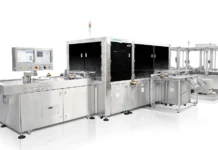
Furthermore, the manufacturing of these high-concentration biologics requires specialized equipment and processes. Biologics manufacturing must account for the high shear forces that occur during filling and finishing, which can cause protein denaturation. Advanced filtration and mixing technologies are being integrated into the production line to ensure that the delicate molecular structure is preserved. This synergy between formulation science and process engineering is a hallmark of modern biopharma, ensuring that the theoretical benefits of a high-concentration drug can be realized in a real-world parenteral delivery system.
The Synergy of Device and Formulation
The second major pillar of injectable drug formulation trends is the integration of the drug with its delivery device. Gone are the days when a drug was developed in a vacuum and then handed off to a device team. Today, the “drug-device combination” is the standard. This is particularly evident in the rise of autoinjectors and pre-filled syringes, which are designed to make self-administration as foolproof as possible. For patients with rheumatoid arthritis or multiple sclerosis, the ability to safely inject their medication at home, rather than traveling to a clinic, is transformative.
Innovation in this space is moving toward large-volume injectors (LVIs) or “wearable” devices. These are small, patch-like pumps that adhere to the skin and deliver a biologic over a period of several minutes or even hours. This technology allows for the delivery of larger volumes up to 5 or 10 mL which would be too painful for a traditional bolus injection. By slowing down the rate of parenteral delivery, these devices allow biopharmaceutical companies to use less concentrated formulations, thereby bypassing some of the viscosity and stability issues associated with ultra-high-concentration products. This holistic approach to biopharmaceutical drugs ensures that the therapy fits the patient’s lifestyle, rather than the other way around.
Enhancing Formulation Stability in Cold Chain Logistics
A recurring theme in injectable drug formulation trends is the management of the “cold chain.” Most biologics are highly temperature-sensitive and must be kept refrigerated from the moment they are manufactured until they are administered. Any break in this chain can lead to drug degradation, potentially rendering a multi-thousand-dollar dose useless or, worse, immunogenic. To mitigate this risk, researchers are investigating lyophilization (freeze-drying) as a way to improve formulation stability. A lyophilized drug is much more stable at room temperature and has a significantly longer shelf life.
However, lyophilization adds a layer of complexity for the patient, who must reconstitute the powder with a solvent before injection. To address this, biopharma companies are developing dual-chamber syringes that keep the powder and liquid separate until the moment of use, where a simple twist or push of the plunger mixes them automatically. This is a perfect example of how injectable drug formulation trends are evolving to bridge the gap between high-level biochemistry and user-friendly medical design. By building stability directly into the parenteral delivery system, the industry is making biopharmaceutical drugs more resilient and accessible.
Addressing Immunogenicity and Safety
The safety of biopharmaceutical drugs is inextricably linked to their formulation. One of the most feared complications of biologic therapy is immunogenicity, where the patient’s immune system recognizes the drug as a foreign invader and develops antibodies against it. This can neutralize the drug’s effect or cause severe allergic reactions. Aggregates clumps of protein molecules are a primary trigger for immunogenicity. Therefore, maintaining formulation stability is not just about efficacy; it is a critical safety requirement.
Modern biopharmaceutical drugs are being formulated with advanced stabilizers like polysorbates and other non-ionic surfactants that prevent protein molecules from sticking to each other or to the walls of the glass vial. Additionally, there is a growing trend toward “silicone-free” pre-filled syringes. Traditional syringes use silicone oil as a lubricant, but tiny droplets of this oil can sometimes migrate into the drug formulation and act as a nucleus for protein aggregation. By moving toward specialized coatings or alternative materials, manufacturers are further reducing the risk of adverse immune responses, ensuring that parenteral delivery remains a safe and reliable option for patients.
Future Directions: Toward Sustained-Release Injectables
Looking ahead, the next frontier in injectable drug formulation trends is the development of sustained-release parenteral delivery systems. Currently, most biologics require frequent injections daily, weekly, or bi-weekly. The goal for the next generation of biopharmaceutical drugs is to extend the interval between doses to months. This is being pursued through the use of biodegradable microspheres and in-situ forming gels that act as a reservoir for the drug, slowly releasing it into the body over an extended period.
Such innovations would be particularly beneficial for the treatment of chronic ocular diseases or psychiatric disorders, where consistent medication levels are vital and the burden of frequent injections is high. As the biopharmaceutical industry continues to refine these platforms, the distinction between a simple injection and a sophisticated medical system will continue to blur. The ongoing evolution of these trends reflects a broader commitment to making medicine more effective, more stable, and, ultimately, more human.