








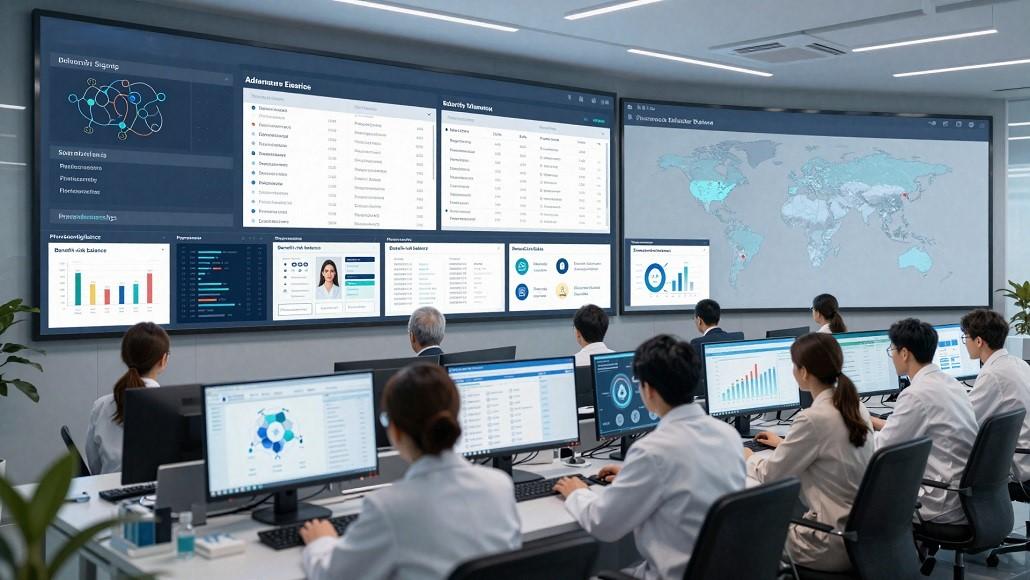
The pharmaceutical industry is built upon a foundation of trust. Patients, healthcare providers, and regulators all rely on the premise that the medications available on the market have been rigorously tested and are safe for their intended use. However, the true profile of a drug’s safety is not fully known until it is released into a broad and diverse population. This is where the discipline of pharmacovigilance the science and activities relating to the detection, assessment, understanding, and prevention of adverse effects or any other drug-related problems comes into play. In the modern era, the effectiveness of any pharmacovigilance program is directly tied to the quality of the information it utilizes. Maintaining robust pharmacovigilance and reliable drug safety data is not just a regulatory obligation; it is the most critical factor in ensuring patient safety and maintaining the long-term viability of a product.
For decades, pharmacovigilance was primarily a reactive and administrative task. Companies would collect reports of adverse drug reactions, categorize them, and submit them to regulatory authorities. While this “safety reporting” remains essential, it is no longer sufficient. Today, the focus has shifted toward “safety signal detection” the proactive identification of new or changing safety risks. To be effective, this process requires a constant influx of high-quality data from a wide variety of sources. By integrating pharmacovigilance and reliable drug safety data into their core operations, pharmaceutical companies can move from a model of “detecting harm” to one of “predicting risk.” This allows for much earlier intervention, such as updating labels, issuing physician communications, or modifying dosage recommendations, long before a localized issue becomes a widespread clinical crisis.
The challenge of managing drug interactions has become increasingly complex as the global population continues to age and the prevalence of polypharmacy grows. It is now common for a single patient to be taking half a dozen or more different medications for various chronic conditions. This significantly increases the risk of harmful interactions, some of which may not have been identified during the relatively small and controlled environment of a clinical trial. To manage this risk, healthcare systems around the world rely on a comprehensive drug interaction database. However, the value of such a database is entirely dependent on the reliability of the underlying information. Pharmacovigilance and reliable drug safety data provide the evidence-based foundation for these databases, ensuring that the interaction alerts seen by doctors and pharmacists are accurate and clinically meaningful.
From a regulatory standpoint, the bar for drug safety monitoring has never been higher. Regulatory agencies such as the FDA and EMA have introduced increasingly stringent requirements for post-market surveillance. Companies are now expected to have a proactive Risk Management Plan (RMP) in place for every new drug, and they must demonstrate that they are continuously monitoring the benefit-risk balance of their products. Achieving this level of regulatory compliance pharma requires more than just a list of adverse events; it requires a sophisticated data ecosystem where information from clinical trials, spontaneous reports, and real-world evidence is integrated and analyzed in real-time. By prioritizing pharmacovigilance and reliable drug safety data, companies can ensure that their safety reports are robust, transparent, and defensible in the face of intense regulatory scrutiny.
The rise of “big data” and artificial intelligence is providing powerful new tools for the field of pharmacovigilance. Advanced algorithms can now sift through millions of electronic health records, insurance claims, and even social media posts to identify patterns that might suggest a new safety signal. However, these tools are only as effective as the data that feeds them. Without the grounding provided by pharmacovigilance and reliable drug safety data, AI models are at risk of producing “false positives” identifying correlations that have no actual clinical basis. The key to successful modern pharmacovigilance lies in the combination of machine speed and human expertise. Curated, expert-reviewed data provides the “ground truth” that allows AI systems to be trained and validated, ensuring that the resulting insights are scientifically sound and actionable.
Another vital aspect of modern safety monitoring is the shift toward patient-centric pharmacovigilance. Historically, safety data was primarily reported by healthcare professionals. However, we are now recognizing that patients themselves are a rich and often untapped source of information about the real-world performance of drugs. Digital platforms and mobile apps are making it easier than ever for patients to report their experiences directly. To make this data useful, it must be integrated with the more formal scientific data in a way that preserves its clinical relevance. Pharmacovigilance and reliable drug safety data provide the framework for this integration, allowing companies to capture the “patient voice” while still adhering to the highest standards of scientific evidence. This holistic view of safety is essential for understanding how drugs impact the quality of life of those who take them.
The economic implications of a safety failure are staggering. A major product recall or a successful class-action lawsuit can cost a company billions of dollars and lead to a significant drop in market capitalization. Even more damaging is the loss of trust among the medical community and the public, which can take years or even decades to recover. By contrast, a company that is known for its rigorous approach to safety and its transparency in reporting is more likely to enjoy a strong brand reputation and a smoother path to approval for its future pipeline. In this sense, pharmacovigilance and reliable drug safety data are not just an expense; they are a strategic investment in the longevity and value of the company’s assets. Safety is the ultimate competitive advantage in the pharmaceutical marketplace.
Furthermore, the global nature of the pharmaceutical industry means that safety data must be managed on a worldwide scale. A safety signal detected in a small patient population in one country may have immediate implications for patients everywhere else. This requires a level of international cooperation and data standardization that was previously unimaginable. Pharmacovigilance and reliable drug safety data act as the universal language for this global safety network. By adhering to international standards for data coding and reporting, such as MedDRA and the E2B format, companies can ensure that their safety data is understood and accepted by regulators and scientists around the world. This harmonization is essential for the rapid dissemination of safety information and for the protection of global public health.
As we look toward the future, the integration of pharmacovigilance with personalized medicine will be the next great frontier. As we move away from “one size fits all” therapies and toward treatments that are tailored to the genetic profile of the individual, our understanding of safety will also become more personalized. We will no longer just ask “Is this drug safe?” but rather “Is this drug safe for this specific patient?” Answering this question will require an even deeper integration of genomic data, clinical trial results, and real-world safety monitoring. The reliance on pharmacovigilance and reliable drug safety data will be the key to navigating this complexity, ensuring that as our treatments become more targeted, our commitment to safety remains absolute.
Building a Resilient Safety Culture through Data Stewardship
The transition toward a data-driven pharmacovigilance model requires a fundamental shift in organizational culture. It is no longer enough for safety to be the concern of a single department; it must be a core value that is shared by everyone from the laboratory bench to the executive boardroom. This culture of safety is built on the foundation of data stewardship, where every piece of information is treated as a vital asset for patient protection. By fostering an environment where the collection and analysis of pharmacovigilance and reliable drug safety data are prioritized, companies can create a “resilient safety system” that is capable of adapting to new threats and emerging scientific insights. This resilience is essential for maintaining public confidence in the face of increasingly complex medical interventions and the rapid pace of technological change.
Moreover, the future of drug safety will be defined by its ability to foster genuine transparency and global collaboration. The most pressing safety challenges such as identifying rare adverse events or managing complex drug interactions in diverse populations—cannot be solved by any one company or regulatory agency in isolation. By using standardized platforms to share pharmacovigilance and reliable drug safety data across borders and organizations, the global medical community can build a more comprehensive and proactive safety net for patients. This collaborative spirit is the true spirit of modern pharmacovigilance, where the primary goal is not just to manage a product’s risk, but to contribute to a deeper collective understanding of how to use medicines safely and effectively for the benefit of all humanity.
In conclusion, the transformation of pharmacovigilance from a reactive, administrative support function to a proactive, data-driven strategic leadership role is a defining achievement of the modern pharmaceutical industry. At every stage of this evolution, the integrity and reliability of safety information have been the indispensable factors that separate leaders from followers. By harnessing the full power of pharmacovigilance and reliable drug safety data, pharmaceutical organizations can move beyond mere regulatory compliance and fulfill their highest ethical duty to the patients who place their trust in their products. The future of healthcare holds the promise of unprecedented therapeutic breakthroughs, but the only way to realize this potential is through an unyielding commitment to the highest standards of evidence and the most sophisticated systems for safeguarding human health.