













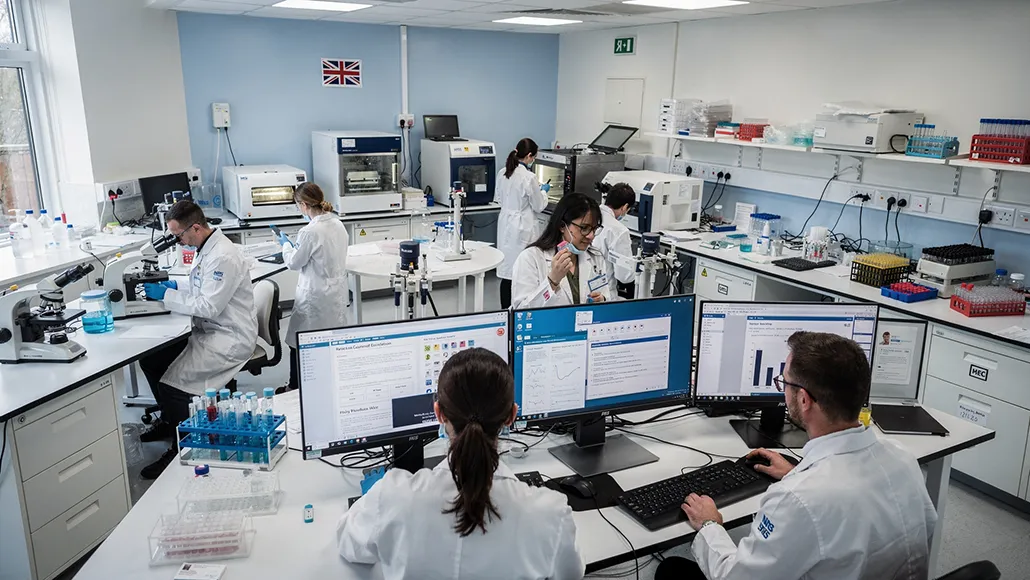
A number of regulatory changes have been released by the UK Medicines and Healthcare Products Regulatory Agency (MHRA) to facilitate clinical research in the country. In order to expedite study approvals while maintaining patient safety, the UK clinical trial regulatory reforms were implemented in response to an increase in trial activity.
According to MHRA data, applications to conduct clinical trials in the UK increased by 9% between January and November 2025 compared to the same period in 2024. Early-stage research saw the biggest increase, with first-in-human studies rising by 5% and trials involving healthy volunteers rising by 16%. Additionally, there was a 7% increase in applications for the initial UK-based trials. Scientific advice meetings, which encourage early involvement by sponsors to help improve trial design and minimize delays, have increased by 75%, according to the MHRA.
Though more reforms will be implemented starting in April, the majority of these increases were observed under the current regulatory framework. About 20% of studies will be eligible for fast-track notification, which will speed up the start of lower-risk trials. To expedite the early testing of new medications, phase I trials will also include a 14-day assessment period.
Additional changes to the regulations include expanding the ability to review computer-based simulations, including for in-silico trials, and simplifying the process of reviewing safety data from other countries that satisfies UK standards. In addition to reflecting advancements in drug development, the UK clinical trial regulatory reforms aim to maintain a high standard of safety monitoring.
More than 450,000 people participated in research studies throughout England last year, demonstrating an increase in patient participation in the UK. The government’s goal of cutting the time between trial application and the first participant to 150 days is supported by the reforms. The 10-Year Health Plan for England’s broader health objectives are also in line with the MHRA’s plans.
In October 2025, the British Journal of Clinical Pharmacology revealed that 99% of MHRA clinical trial applications are evaluated promptly, giving sponsors more assurance when organizing studies based in the UK.
“As a practising surgeon, I know just how crucial it is to harness medical breakthroughs, so patients get the latest and most advanced treatments quickly and safely. This government is laser-focused on accelerating clinical trial set-up times and cementing our position as global leaders,” said Dr Zubir Ahmed, UK Health Department Innovation Minister.
“These improvements mean we are making it even easier for companies to bring clinical trials to the UK, offering a single point of support, faster processes, and a more predictable pathway to launch studies,” he added.
In November 2025, Cancer Research UK launched a clinical trial of a vaccine designed to prevent lung cancer in patients considered to be at high risk.