











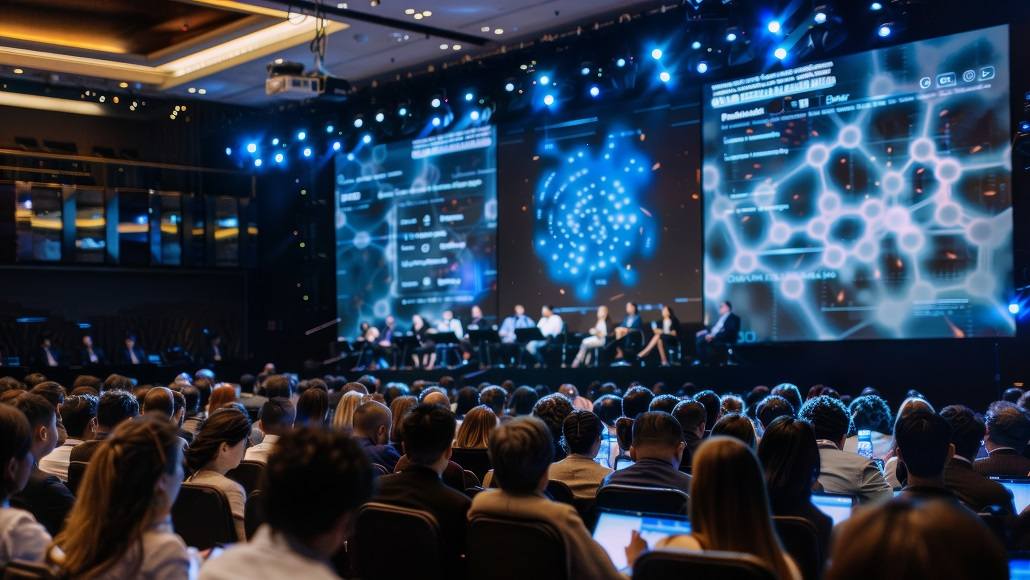
The physical gathering of healthcare professionals, researchers, and industry leaders remains an indispensable cornerstone of progress. Far from being obsolete, medical conferences serve as the high-pressure crucibles where raw data is transformed into clinical wisdom and where the collective conscience of the healthcare community is forged. They provide a unique ecosystem that digital platforms can’t replicate, blending formal education with the nuanced, serendipitous interactions that drive innovation.
Epicenter of Cutting-Edge Knowledge Exchange
Medical conferences represent the living edge of science. Attendees are often the first to see Phase III clinical trial results or breakthrough pilot studies that challenge existing protocols, from advances in gene therapy to developments in mRNA vaccines and HIV treatments. This environment allows for immediate peer review and public discourse that happens in the moments following a presentation.
When a researcher stands at a podium to defend their findings, the ensuing Q&A session provides a level of scrutiny and clarity that static text can’t offer. This rapid dissemination ensures that the lag time between discovery and implementation is minimized, directly impacting patient outcomes by bringing the newest therapeutic strategies to the bedside faster. These events also fulfill continuing medical education requirements while keeping practitioners informed about industry trends.
Beyond clinical discovery, these gatherings serve as essential forums for systemic leadership and strategic growth. Specialized medical conferences for healthcare executives, for instance, ensure that leaders are actively shaping the future of healthcare delivery through validated, high-level insights.
Cultivating Serendipitous Networking
In a professional landscape increasingly siloed by specialization, conferences bring together disparate minds (surgeons, pharmacists, and administrators) who might never cross paths in their daily routines. These face-to-face networking opportunities foster a level of trust and creative friction impossible to achieve through a screen.
A casual conversation over lunch can lead to a multi-center study or a cross-disciplinary approach to a rare disease. Representatives from research institutions and specialty-specific societies connect with medical students and established practitioners alike. This human element reminds practitioners that they are part of a global collective, breaking down the isolation that often leads to professional burnout and stagnant thinking.
Hands-On Engagement With Medical Technology
Modern healthcare is increasingly reliant on sophisticated hardware, from robotic surgical systems to AI-driven diagnostic tools. While a brochure can explain the mechanics of a new device, medical conferences offer the essential exhibit hall experience where practitioners engage in tactile learning.
Innovations in biomedical engineering, such as the latest breakthroughs in smart drug delivery, are showcased alongside clinical applications. Having the opportunity to manipulate a new laparoscope or walk through a virtual reality surgical simulation provides a depth of understanding that informs purchasing decisions and clinical application. This direct access allows clinicians to provide immediate feedback to engineers, and it ensures that the next generation of medical technology is built with the practical realities of the clinic in mind.
Reinforcement of Professional Identity and Ethics
Medical conferences serve a vital role in the sociopolitical and ethical landscape of the profession. These are the venues where professional guidelines are debated, refined, and codified. When thousands of experts gather to discuss the ethics of gene editing, medical ethics principles, or the management of public health concerns during a health crisis, they’re shaping the moral compass of modern medicine.
For the individual practitioner, attending these events is an act of professional recalibration. It provides a necessary pause from the grueling pace of clinical practice to reflect on the broader goals of healthcare and patient care. This immersion in a culture of excellence helps to reinforce a physician’s sense of identity and purpose, acting as a powerful antidote to the administrative burdens that often cloud the human-centric focus of the calling. Keynote speakers often address these themes, inspiring attendees to maintain their commitment to excellence.
Mentorship and Development of Future Leaders
Medical conferences act as a massive, decentralized mentorship program. For students and residents, these events are a gateway to the giants of their fields. Presenting a poster and receiving feedback from a world-renowned expert can be a career-defining moment, building confidence in public speaking and clinical research. Conversely, for established leaders, conferences provide a platform to scout for talent and give back to the community.
This cycle ensures that the nuances of clinical judgment and the values of the profession are passed down, maintaining a continuity of excellence vital for the long-term health of society. These gatherings are essential for professional development across all career stages and contribute significantly to public health outcomes.
Conclusion
The value of the medical conference in the 21st century is found in the synergy of the people present. These gatherings represent a vital intersection of science, humanity, and technology, providing a space where the future of medicine is debated and decided in real-time. While digital tools will continue to enhance how we learn, they’ll never replace the profound impact of a community coming together to solve the most pressing challenges of human health.