






Bicycle Therapeutics has entered into a 15-year agreement with the UK Nuclear Decommissioning Authority (NDA) to utilize reprocessed uranium from nuclear reactors for the production of precision cancer therapies.
Under the terms of the deal, announced by the UK government, the NDA will provide the biotech company with access to up to 400 tonnes of reprocessed uranium. This material will be used to generate lead-212, a medical isotope required for radiopharmaceuticals designed to treat hard-to-tackle cancers.
Supply Chain and Production Process
The partnership will leverage a process developed by the United Kingdom National Nuclear Laboratory (UKNNL) to harvest lead-212 from the NDA’s inventory of reprocessed uranium. Uranium acts as a parent material that continually regenerates the required isotopes to develop cancer treatment from nuclear waste.
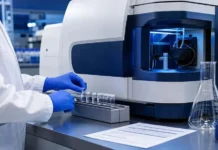
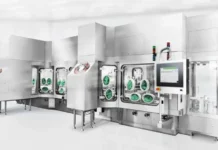
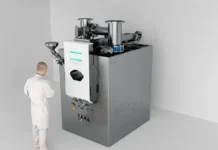
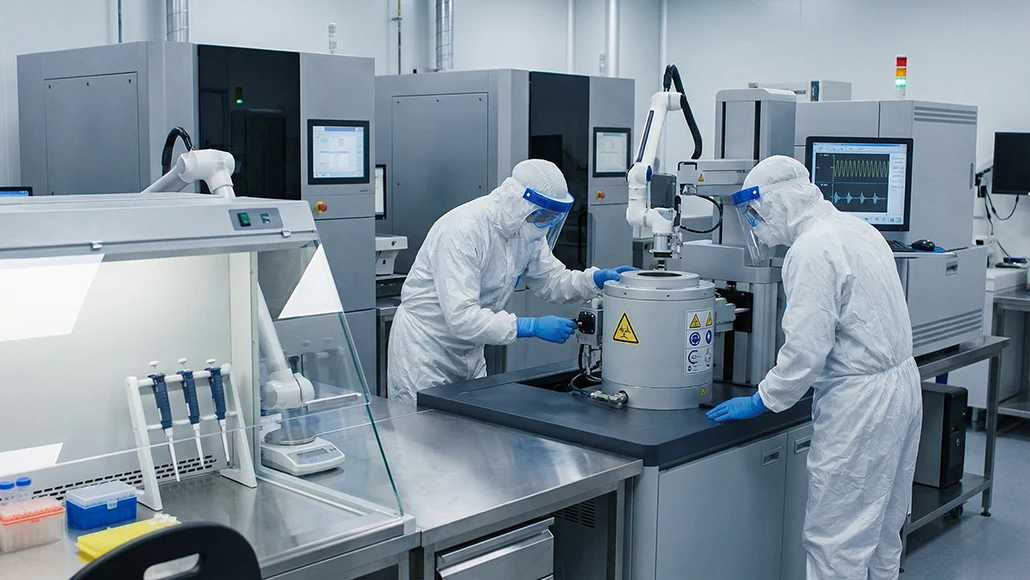
The extraction process involves isolating a minute quantity of material through a series of radioactive decay processes. Bicycle Therapeutics will extract the final lead-212 isotope using a novel radioisotope generator developed exclusively for the company.
The agreement creates a long-term source capable of producing tens of thousands of doses of therapy annually.
Targeted Therapy Development
Bicycle Therapeutics intends to use the isotope for radiopharmaceuticals, a class of precision medicine that delivers radiotherapy directly to cancer cells. This approach is intended to destroy tumours while reducing the likelihood of side effects compared to conventional treatments.
The therapies are aimed at cancers that are often difficult to treat with standard methodologies, including prostate cancer and neuroendocrine cancers affecting organs such as the gut and pancreas.
Government Support for Life Sciences
Science and Technology Secretary Liz Kendall said:
“Turning nuclear material into cutting-edge cancer treatments sounds like science fiction – but thanks to the brilliance of scientists, researchers and doctors, it could be a life-saving reality. Work like this shows exactly why we’re determined to support our life sciences innovators to make groundbreaking new treatments possible.”
The deal is supported by the UK government as part of its wider strategy to back life sciences innovation and improve cancer care outcomes. It follows a separate announcement last month of £20 million in funding for research into lead-212 extraction conducted by UKNNL and Medicines Discovery Catapult.
Health Innovation Minister Dr Zubir Ahmed said the government’s support for the partnership reflects confidence in British innovation, highlighting its potential to develop precision cancer treatment from nuclear waste and advance efforts to address cancer.