











The pharmaceutical industry has long operated on a model where the “drug” and the “device” were treated as separate entities. A medication was developed in a laboratory, and the device used to deliver it a syringe, an inhaler, or a simple dropper was often an afterthought. However, the rise of complex biologics and the increasing focus on patient self-administration have shattered this old paradigm. Today, we have entered the era of drug device combination products, where the medication and the delivery tool are designed as a single, integrated system from day one. This convergence of medical device integration and pharmaceutical science is the key to achieving the level of delivery precision required for 21st-century therapeutics.
Drug device combination products are far more than just “medicine in a box.” They are sophisticated technological platforms designed to optimize every aspect of the therapeutic journey. Whether it is an “intelligent” inhaler that only releases its dose when it senses the correct breathing pattern, or a pre-filled syringe with a hidden needle to reduce patient anxiety, these products are redefining the patient experience. By focusing on dosing accuracy and usability, the industry is moving away from a world of “one-size-fits-all” dosing toward a model of high-precision, patient-centric care.
Inhalation and Injectable Innovation
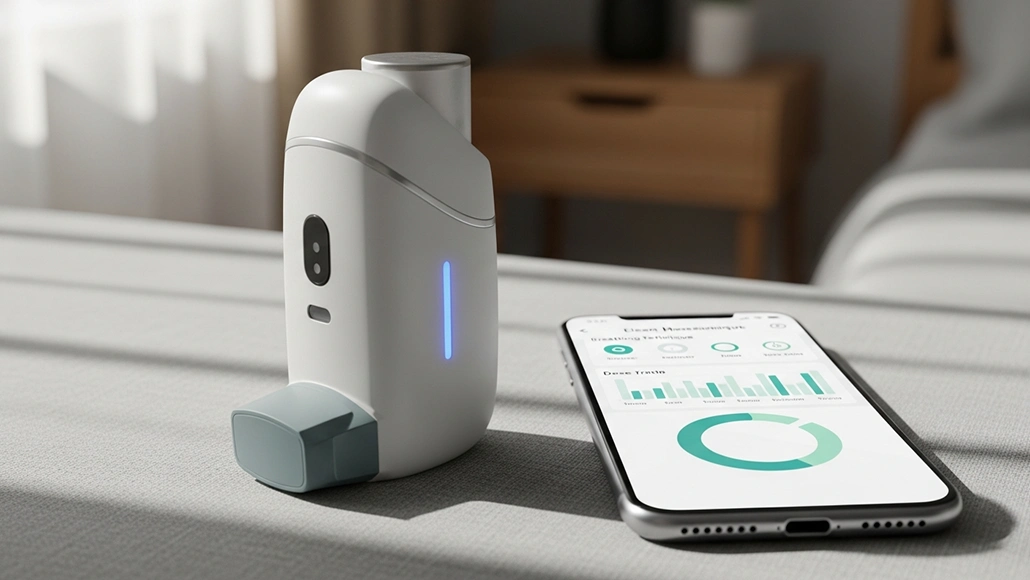
Some of the most visible examples of combination products pharma are found in the fields of respiratory and metabolic medicine. Inhalation drug delivery has been revolutionized by the development of “smart” inhalers. These devices use sensors and Bluetooth connectivity to track not only when a patient takes their medication but also the quality of their technique. For a patient with asthma or COPD, the device integration ensures that the drug reaches the deep tissues of the lungs rather than sticking to the back of the throat. This level of precision is essential for managing acute symptoms and preventing long-term decline.
Similarly, the world of injectable medicine has been transformed by the rise of autoinjectors and large-volume wearable pumps. For patients with rheumatoid arthritis or multiple sclerosis, the prospect of self-injection can be daunting. Drug device combination products address this by hiding the needle and automating the injection process with a simple button press. This ensures consistent dosing accuracy and significantly reduces the risk of accidental needle-stick injuries. Furthermore, wearable devices can deliver large volumes of a biologic slowly over several minutes, allowing for subcutaneous delivery of medications that previously required a hospital-based intravenous infusion.
Transdermal Systems and the Future of Constant Dosing
Beyond the lung and the skin, transdermal systems represent a major pillar of drug device combination products. While “nicotine patches” have been around for decades, the next generation of transdermal technology is far more sophisticated. Researchers are now developing microneedle patches tiny arrays of microscopic needles that penetrate only the outermost layer of the skin. These devices can deliver complex proteins and even vaccines painlessly and efficiently. Because the drug is integrated directly into the patch’s physical structure, these products provide a level of controlled, constant delivery that is impossible to achieve with a pill or a standard injection.
Medical device integration in the transdermal space is also moving toward “active” systems that use low-level electrical currents (iontophoresis) or ultrasound to push larger molecules through the skin. These devices can be programmed to deliver “pulses” of medication throughout the day, mirroring the body’s natural hormonal cycles. This temporal precision is a cornerstone of personalized medicine, ensuring that the patient receives exactly what they need, exactly when they need it. By turning the skin into a smart portal for medicine, these combination products are expanding the boundaries of what can be treated without a needle.
Usability and the Reduction of Human Error
One of the most significant benefits of drug device combination products is the dramatic improvement in usability. Human error is a major cause of treatment failure, whether it is a patient forgetting to take a pill, using an inhaler incorrectly, or miscalculating a dose of insulin. Combination products pharma are designed to be “error-tolerant.” For example, a smart insulin pen can automatically calculate the required dose based on the patient’s current glucose levels, while a digital inhaler can provide immediate feedback to the patient via a smartphone app if their technique was incorrect.
This focus on the “human-device interface” is a major shift in pharmaceutical R&D. Companies are now conducting extensive “human factors” studies to ensure that their devices are easy to use for patients of all ages and physical abilities. By simplifying the act of taking medicine, these products are removing the barriers to adherence. When a device is easy and comfortable to use, patients are much more likely to stick with their treatment plan, leading to better long-term outcomes and a lower overall burden on the healthcare system. The device is no longer just a conduit; it is a teacher and a guardian for the patient.
Navigating the Complex Regulatory Landscape
The development of drug device combination products is not without its challenges, particularly in the realm of regulation. Because these products fall under both pharmaceutical and medical device rules, the approval process is often more complex and time-consuming. Regulatory agencies like the FDA have established the Office of Combination Products to coordinate the review of these cross-disciplinary therapies. Manufacturers must prove not only that the drug is safe and effective but also that the device is reliable and that the interaction between the two does not cause any unintended degradation or safety issues.
This requires a high degree of collaboration between chemists, engineers, and clinical researchers. The “design control” process a staple of the medical device industry is now being integrated into the early stages of drug formulation. Companies must demonstrate that they have identified and mitigated all potential “use-errors” through rigorous testing. While these hurdles are high, the move toward a more integrated regulatory framework is essential for fostering innovation while maintaining the highest standards of patient safety. The reward for navigating this complexity is a product that is profoundly more valuable and effective than its individual parts.
Future Horizons: Toward the Connected Patient Ecosystem
Looking to the future, the ultimate evolution of drug device combination products is their integration into the “Internet of Medical Things” (IoMT). We are moving toward a world where every delivery device is a node in a connected health ecosystem. Your inhaler will talk to your smartphone, which will talk to your doctor’s electronic health record, providing a real-time, objective view of your health status. This connectivity will allow for “proactive” healthcare, where a doctor can see that a patient’s inhaler technique is slipping or that they are using their rescue medication more frequently, allowing for an intervention before a major medical event occurs.
Furthermore, the rise of “smart” implants and bio-electronic medicine will further blur the lines between device and drug. We may soon see implants that can “grow” within the body, sensing biochemical changes and releasing on-demand doses of gene therapies or proteins produced by engineered cells within the device itself. This represents the pinnacle of medical device integration a system that is fully integrated into the patient’s biology. The journey of drug device combination products is a journey toward a future where medicine is no longer something you “take,” but a seamless, invisible part of a healthier life. The precision of the device and the power of the drug are finally becoming one.