













Close
Almac
Achema middle east

Phesi global analysis of 2.5 million patients finds participants in breast cancer clinical trials are getting younger

Note* - All images used are for editorial and illustrative purposes only and may not originate from the original news provider or associated company.

Subscribe

- Never miss a story with notifications

- Gain full access to our premium content

- Browse free from any location or device.

Media Packs

Expand Your Reach With Our Customized Solutions Empowering Your Campaigns To Maximize Your Reach & Drive Real Results!

– Access the Media Pack Now

– Book a Conference Call

Leave Message for Us to Get Back

Related stories

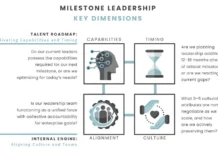
Redefining Success Metrics in Pharma Portfolio Management

Shift from traditional R&D metrics focused on milestone completion and budget adherence to outcome-based, value-focused metrics that measure strategic impact, learning velocity, and long-term portfolio health while aligning organizational behavior with strategic objectives.

Smarter Resource Planning for Complex Pharma Development Portfolios

Align limited resources with complex pharmaceutical portfolios through capacity forecasting, skills-based planning, and dynamic resource reallocation, improving execution outcomes without increasing costs or overburdening teams.

Aligning Scientific Innovation with Commercial Reality in Drug Development

The "Valley of Death" in pharma is no longer just about scientific failure; it is about commercial irrelevance. This article examines the critical need to align R&D ambition with market reality early in development. It explores the evolution of the Target Product Profile (TPP) into the Target Value Profile (TVP), the role of the "commercial scientist," and strategies for integrated evidence generation that satisfy both regulators and payers.
- Advertisement -

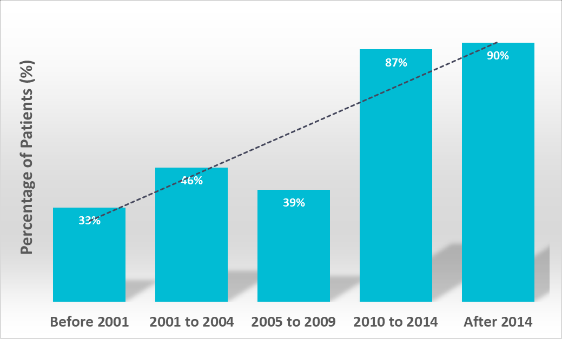
New analysis from Phesi Inc., a data-driven provider of AI-powered clinical development analytics products and solutions, has found that since 2014 the number of women younger than 60 years of age participating in breast cancer clinical trials has increased dramatically, with an overall increase in trial participants younger than 60 years of age from 30% to about 90% (Figure 1). The results emerge following a global analysis of 2,511,046 breast cancer patients from 4,674 investigator sites.

Breast cancer is one of the most extensively studied diseases globally, and in 2021 was the most studied disease area, with a total of 25,000 investigator sites recruiting for breast cancer clinical development. An increase in younger women becoming involved in clinical trials for breast cancer brings with it new considerations for trial design, including comorbidities and medication history, and potential fertility and pregnancy issues.

“The increase in younger women participating in trials corresponds with increased screening by use of mammograms and the success of public health awareness campaigns,” commented Dr Gen Li, CEO and Founder, Phesi. “With earlier diagnosis of breast cancers becoming more common, there is an opportunity to develop treatments that target more aggressive forms of the disease, as they are identified sooner and there is more opportunity to intervene. This trend of increasing is well aligned with the period when mammogram has been widely implemented around the world. New treatments that extend the survival rates for a younger demographic will require analysis of existing patient and trial data to better identify multiple cohorts of patients that match protocols for younger patients. Clinical trials must be dynamically designed considering the requirements and complexities of this changing patient profile.”
The analysis also showed that greater understanding of breast cancer is propelling the industry towards developing tailored, more effective treatments. Progress in the field of genomics and sequencing has given the industry access to a greater volume of data on biomarkers and disease characteristics. This offers researchers deeper insights into the different types of breast cancer; as a result, there is an increase in therapies in development that target the more complex types of the disease, which are typically more prevalent in younger women.

“The complexity of the trial landscape has increased as more comprehensive biomarker combinations have been identified. Survival rates have improved dramatically, and patients are often being treated for breast cancer over several years. There are now many long-term studies as well as data on first, second- and third-line treatments,” commented Dr Paul Chew, Chief Medical Officer, Phesi. “However, it is also important to look beyond the big data challenge and ensure that patient centricity is still the central focus of clinical development. The industry needs to address concerns that were not a priority before, such as fertility and pregnancy, for patients to commit to trialling new treatments. There is also heavy competition for patients, especially as they are divided by the molecular pathology of their cancer. Using existing data to optimize the clinical development process and improve planning will reduce cycle times and get treatments to patients faster.”


Latest stories

Related stories

Redefining Success Metrics in Pharma Portfolio Management

Shift from traditional R&D metrics focused on milestone completion and budget adherence to outcome-based, value-focused metrics that measure strategic impact, learning velocity, and long-term portfolio health while aligning organizational behavior with strategic objectives.

Smarter Resource Planning for Complex Pharma Development Portfolios

Align limited resources with complex pharmaceutical portfolios through capacity forecasting, skills-based planning, and dynamic resource reallocation, improving execution outcomes without increasing costs or overburdening teams.

Aligning Scientific Innovation with Commercial Reality in Drug Development

The "Valley of Death" in pharma is no longer just about scientific failure; it is about commercial irrelevance. This article examines the critical need to align R&D ambition with market reality early in development. It explores the evolution of the Target Product Profile (TPP) into the Target Value Profile (TVP), the role of the "commercial scientist," and strategies for integrated evidence generation that satisfy both regulators and payers.

AI-Crafted Pill Succeeds Trials of Plaque Psoriasis Patients

Takeda Pharmaceutical from Japan said on December 17, 2025,...

Subscribe

- Never miss a story with notifications

- Gain full access to our premium content

- Browse free from any location or device.

Media Packs

Expand Your Reach With Our Customized Solutions Empowering Your Campaigns To Maximize Your Reach & Drive Real Results!

– Access theMedia Pack Now

– Book a Conference Call

Leave Message for Us to Get Back

Translate »