










Close
Novotech
Jabsco PureFlo 21 Single Use

Pfizer Outsources Branded Drug Production to Focus on Experimental Coronavirus Vaccine

Note* - All images used are for editorial and illustrative purposes only and may not originate from the original news provider or associated company.

Subscribe

- Never miss a story with notifications

- Gain full access to our premium content

- Browse free from any location or device.

Media Packs

Expand Your Reach With Our Customized Solutions Empowering Your Campaigns To Maximize Your Reach & Drive Real Results!

– Access the Media Pack Now

– Book a Conference Call

Leave Message for Us to Get Back

Related stories

Designing Biotech Financial Models for Series B Success

Building a compelling Series B case in biopharma goes well beyond efficacy data and market size projections. Sophisticated investors are increasingly focused on CMC risk, licensing obligations, and the defensibility of your manufacturing timeline. This article breaks down what the financial model behind a strong Series B actually looks like and what quietly kills deals that should have worked.

CMC Bottleneck in Drug Development and IND Delays

Ask any experienced biopharma program manager what derails an IND filing most often, and the answer is rarely surprising: it is CMC. Not insufficient efficacy data, not toxicology surprises CMC. This article examines why Chemistry, Manufacturing, and Controls continues to be the most underestimated risk in early drug development, and what program leaders can do about it.

The Hidden Cost of Licensing in Biologic Drug Development

Royalties, milestone payments, and license fees are often treated as the cost of doing business in biopharma. But for early-stage biotech companies building toward an IND, these obligations can quietly reshape financial models, complicate investor conversations, and create downstream deal terms that are difficult to unwind. Here is what founders need to know.
- Advertisement -

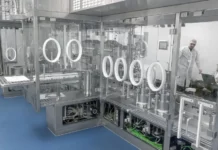
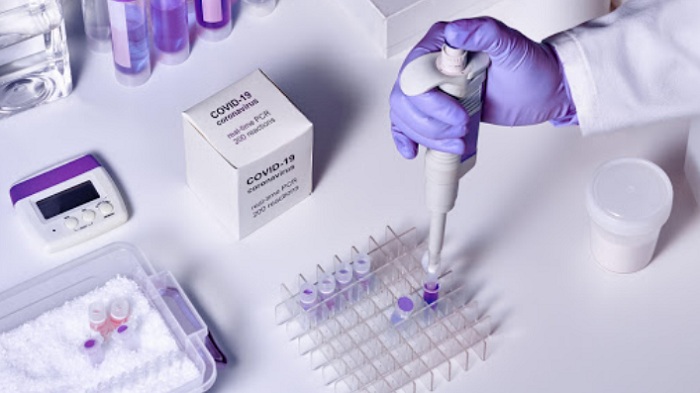
Pfizer is taking on significant risk in a race to provide the world with a coronavirus vaccine. Pfizer is outsourcing the production of its own branded medicines to contract manufacturers such as Catalent to make room for the production of, BNT162, an experimental SARS-CoV-2 vaccine the big pharma is developing in partnership with BioNTech.

Investing in risk

The steps Pfizer is taking to ramp up the production of an experimental vaccine candidate that hasn’t produced any clinical trial data yet are an extremely unusual gamble. Having millions of doses of BNT162 ready to ship out the moment it’s potentially approved, though, could make it all worthwhile.

BioNTech is supplying investigators with its vaccine candidates, which recently began clinical trials in the U.S., but Pfizer will be responsible for the bulk of manufacturing if it’s proven effective at preventing transmission of the virus responsible for COVID-19.

At the moment, BNT162 is actually a program that will test four similar vaccines in early clinical-stage testing before settling on a single candidate for later development stages. Instead of paying Catalent to manufacture millions of doses of an experimental vaccine candidate that might never leave the warehouse, Pfizer will handle BNT162 production in its own facilities.

Pfizer says it will cost up to $150 million to prepare its facilities to produce BNT162. By freeing up some of its largest facilities, though, the company thinks it could distribute up to 20 million coronavirus vaccine doses before the end of 2020.


Latest stories

Related stories

Designing Biotech Financial Models for Series B Success

Building a compelling Series B case in biopharma goes well beyond efficacy data and market size projections. Sophisticated investors are increasingly focused on CMC risk, licensing obligations, and the defensibility of your manufacturing timeline. This article breaks down what the financial model behind a strong Series B actually looks like and what quietly kills deals that should have worked.

CMC Bottleneck in Drug Development and IND Delays

Ask any experienced biopharma program manager what derails an IND filing most often, and the answer is rarely surprising: it is CMC. Not insufficient efficacy data, not toxicology surprises CMC. This article examines why Chemistry, Manufacturing, and Controls continues to be the most underestimated risk in early drug development, and what program leaders can do about it.

The Hidden Cost of Licensing in Biologic Drug Development

Royalties, milestone payments, and license fees are often treated as the cost of doing business in biopharma. But for early-stage biotech companies building toward an IND, these obligations can quietly reshape financial models, complicate investor conversations, and create downstream deal terms that are difficult to unwind. Here is what founders need to know.

Early Phase Decisions Drive Faster Drug Development

Strategic early-stage planning and rigorous regulatory readiness serve as the foundation for accelerating pharmaceutical timelines and optimizing long-term R&D efficiency.

Subscribe

- Never miss a story with notifications

- Gain full access to our premium content

- Browse free from any location or device.

Media Packs

Expand Your Reach With Our Customized Solutions Empowering Your Campaigns To Maximize Your Reach & Drive Real Results!

– Access theMedia Pack Now

– Book a Conference Call

Leave Message for Us to Get Back

Translate »