












Close
Smartlab Europe
Inizio Ignite

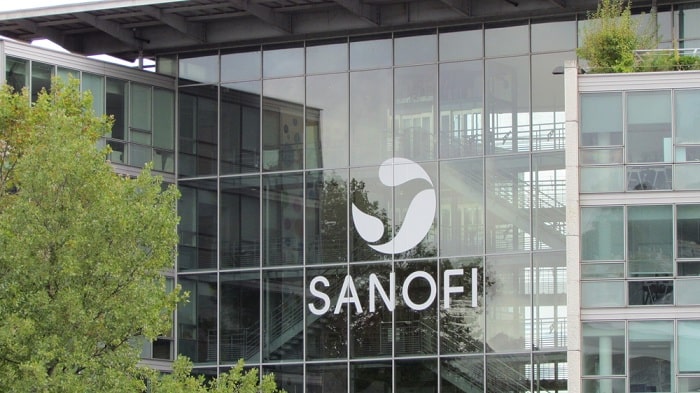
Sanofi establishes three-year collaboration with Stanford Medicine to accelerate immunology research

Note* - All images used are for editorial and illustrative purposes only and may not originate from the original news provider or associated company.

Subscribe

- Never miss a story with notifications

- Gain full access to our premium content

- Browse free from any location or device.

Media Packs

Expand Your Reach With Our Customized Solutions Empowering Your Campaigns To Maximize Your Reach & Drive Real Results!

– Access the Media Pack Now

– Book a Conference Call

Leave Message for Us to Get Back

Related stories

Predictive Analytics in Labs: Driving Smarter Decisions in Pharma

The application of statistical algorithms and machine learning techniques to historical research data is enabling scientists to anticipate experimental outcomes and identify emerging patterns with unprecedented accuracy. By moving from a retrospective view of data to a forward-looking perspective, research facilities can optimize their strategies and focus their resources on the most promising therapeutic avenues.

IoT Applications Enhancing Laboratory Operational Efficiency

The integration of internet-connected sensors and smart devices is fundamentally reshaping how research facilities monitor their environment and manage their instrumentation. By providing a constant stream of real-time data, these technological advancements allow for a more granular level of control over laboratory operations, ensuring that the delicate conditions required for high-stakes pharmaceutical research are maintained with absolute precision.

Optimizing Pharma Workflows with Integrated Lab Software Solutions

The modern laboratory environment requires a unified approach to data management and process control to remain competitive. By bridging the gap between disparate instruments and legacy databases, research facilities can eliminate operational silos and create a high-speed environment where innovation is no longer hindered by fragmented digital infrastructure.
- Advertisement -

Sanofi has entered into a three-year research collaboration with Stanford University School of Medicine. Together, the two organizations and their scientists will work to advance the understanding of immunology and inflammation through open scientific exchange. Additionally, Sanofi will provide funding and scientific inputs into projects of mutual interest, crossing multiple therapeutic areas including autoimmune diseases and inflammatory conditions.

“We look forward to working with some of the most innovative scientists in the human immunology community. Together we will explore groundbreaking concepts and obtain deeper insights into underlying inflammatory disease mechanisms,” said Frank Nestle, Global Head of Research and Chief Scientific Officer, Sanofi. “Sanofi’s collaboration with Stanford University aims to transform how autoimmune disorders and inflammatory conditions are understood and treated. It will help accelerate our ambitious immunoscience programs as we advance a rich pipeline of first- and best-in-class medicines across key therapeutic areas to address unmet patient needs.”

Sanofi and Stanford Medicine will create a Joint Steering Committee to fund up to three programs a year. Sanofi will host an annual research forum for researchers from both organizations to further exchange ideas, share knowledge and perspectives on relevant scientific matters, and discuss collaborative research projects.

“Stanford Medicine is dedicated to advancing knowledge and discovery with the goal of improving our ability to predict, prevent and cure disease with the most precise approaches,” said Lloyd Minor, MD, Dean of the Stanford School of Medicine. “The opportunity for long-term collaboration with our colleagues at Sanofi will allow us to explore together new frontiers in autoimmune diseases and inflammatory conditions.”

The collaboration will begin with three “deep-dive” research projects:

  • Exploring cytokine crosstalk in type 2 inflammation, specifically examining the impact of Sanofi’s investigational molecules on excessive type 2 inflammation.
  • Decoding molecular drivers of effector and suppressor T cells in autoimmunity, to better understand the specific antigens that may cause type 1 diabetes.
  • Defining the mechanisms of immune-related adverse events with immune checkpoint inhibitor therapy – with a focus on pneumonitis and inflammatory arthritis – to explore the role of genomics and pathogenic cell identification.

About Sanofi

Sanofi is dedicated to supporting people through their health challenges. We are a global biopharmaceutical company focused on human health. We prevent illness with vaccines, provide innovative treatments to fight pain and ease suffering. We stand by the few who suffer from rare diseases and the millions with long-term chronic conditions.

Latest stories

Related stories

Predictive Analytics in Labs: Driving Smarter Decisions in Pharma

The application of statistical algorithms and machine learning techniques to historical research data is enabling scientists to anticipate experimental outcomes and identify emerging patterns with unprecedented accuracy. By moving from a retrospective view of data to a forward-looking perspective, research facilities can optimize their strategies and focus their resources on the most promising therapeutic avenues.

IoT Applications Enhancing Laboratory Operational Efficiency

The integration of internet-connected sensors and smart devices is fundamentally reshaping how research facilities monitor their environment and manage their instrumentation. By providing a constant stream of real-time data, these technological advancements allow for a more granular level of control over laboratory operations, ensuring that the delicate conditions required for high-stakes pharmaceutical research are maintained with absolute precision.

Optimizing Pharma Workflows with Integrated Lab Software Solutions

The modern laboratory environment requires a unified approach to data management and process control to remain competitive. By bridging the gap between disparate instruments and legacy databases, research facilities can eliminate operational silos and create a high-speed environment where innovation is no longer hindered by fragmented digital infrastructure.

Advanced Robotics Driving Pharmaceutical Lab Efficiency

The implementation of high-speed robotic systems and automated handling technologies is fundamentally altering the productivity of modern research facilities. By taking over repetitive physical tasks and operating with sub-millimeter precision, these mechanical innovators are allowing scientific staff to redirect their cognitive energy toward complex analysis and the development of breakthrough therapies.

Subscribe

- Never miss a story with notifications

- Gain full access to our premium content

- Browse free from any location or device.

Media Packs

Expand Your Reach With Our Customized Solutions Empowering Your Campaigns To Maximize Your Reach & Drive Real Results!

– Access theMedia Pack Now

– Book a Conference Call

Leave Message for Us to Get Back

Translate »