





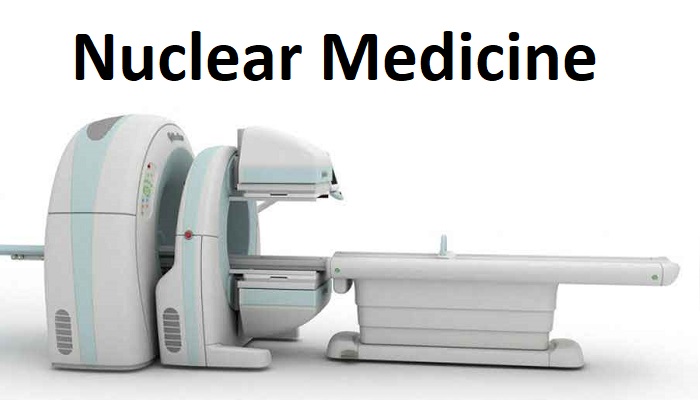
The North American nuclear medicine market was estimated to be worth USD 2.05 billion in 2023 and is expected to develop rapidly over the next few years, with a compound annual growth rate (CAGR) of 9.90% through 2029.
Within the healthcare sector, the nuclear medicine market is a vibrant and quickly developing area. It includes a broad spectrum of diagnostic and therapeutic approaches that use radiopharmaceuticals, or radioactive chemicals, to scan and treat a variety of medical problems.
One of the biggest and most advanced marketplaces in the world is the nuclear medicine market in North America. It consists of the US, Canada, and Mexico, with the US providing the majority of the market’s income. The market has been developing steadily due to a number of variables, including an aging population, increased applications of nuclear medicine, rising rates of chronic illnesses, and technical developments.
Important Market Trends
The continuous development of sophisticated radiopharmaceuticals and tailored treatments is a major trend in the North American nuclear medicine business. The way illnesses are identified and treated is changing as a result of these developments.
Radiopharmaceuticals are always being developed for better precision in diagnosis, less radiation exposure to healthy tissues, and better targeting. The introduction of radiolabeled tracers for PET/CT and SPECT/CT imaging, which enables more accurate disease localization, is one particularly noteworthy example of this trend.
Radium-223 for metastatic prostate cancer and lutetium-177 dotatate for neuroendocrine tumors are two examples of targeted radionuclide therapy that are becoming more and more popular. By directly delivering radiation to cancer cells, these medicines maximize therapeutic effectiveness while reducing adverse effects.
It is anticipated that the North American nuclear medicine market will see more uptake and growth into new medical fields as long as research and development activities remain concentrated on radiopharmaceuticals and targeted medicines.
Artificial Intelligence and Hybrid Imaging
In the nuclear medicine market in North America, hybrid imaging systems like PET/CT and SPECT/CT are becoming more and more common. These systems provide full diagnostic information by combining anatomical CT scans with functional nuclear medicine imaging.
Nuclear medicine is integrating AI and machine learning to improve image processing, interpretation, and decision assistance. AI-driven algorithms may help with quantitative analysis, treatment planning, and lesion identification, which will eventually increase the efficiency and accuracy of diagnosis.
Nuclear medicine is a vital component of personalized treatment strategies because of the combination of hybrid imaging and artificial intelligence (AI) technologies, which enable more accurate illness localization and characterization.
By enhancing diagnostic capabilities and patient outcomes, the trend toward fusing AI-driven analytics with modern imaging modalities is probably going to keep propelling market expansion.
Theranostics and Customized Health Care
The combination of diagnostics and therapies is the focus of a developing trend in the nuclear medicine sector in North America called theranostics. For both diagnosis and therapy, the same radiopharmaceuticals are used. The treatment of cancer is one area where theranostic methods are very clear. For instance, to ascertain the extent of their cancer, patients might get a diagnostic PET scan using a radiolabeled tracer. They may then be given a specific radiolabeled treatment using the same tracer later on.
Theranostics enables personalized therapy by customizing treatment regimens to each patient’s requirements and unique illness features. This strategy reduces negative effects while increasing therapeutic effectiveness. The North American nuclear medicine market is changing toward more individualized and precise treatments as theranostics gain traction and more radiopharmaceuticals are created for this use.