












Industrial boilers sit at the center of many plant operations, from heating and power to a wide range of industrial process needs. Because they run for long stretches, they depend on steady care. Water treatment is one of the things that keeps them operating safely. Most operators learn it over time, and once the basics are clear, the daily routine becomes easier to manage.
With the right approach, the boiler stays stable and avoids problems that interrupt production.
Why Water Treatment Matters
A boiler works best when the water running through it is clean and properly balanced. When minerals, oxygen, or small particles creep into the system, the boiler doesn’t fail right away, but efficiency slowly drops. You see it in higher fuel consumption, more maintenance costs, and parts like heat exchangers getting stressed sooner than expected. Treating the water keeps these issues from building up quietly. It also helps operators maintain a more predictable workday.
Make Boiler Water Treatment Part of the Routine
Before diving deeper, it helps to make boiler water treatment something that gets checked every day. A small daily habit prevents most sudden problems. It also helps newer operators feel more confident because they catch changes earlier. This simple routine becomes a strong foundation for the rest of the system.
Common Problems Found in Boiler Water
Boilers tend to face the same trouble spots. Knowing them helps operators understand what’s happening inside the system.
Scale Formation
Scale shows up when minerals settle and form deposits on heating surfaces. Hard water makes scale buildup happen faster. Even a thin coating blocks heat and forces the boiler to burn more fuel. Over time, the boiler feels “sluggish.” Treating hardness early keeps scale under control and protects areas connected to heat exchangers.
Corrosion
Corrosion begins when oxygen or certain chemicals react with metal. The first signs may be small, but they spread quickly once started. Corrosion weakens tubes and may lead to leaks. Plants lower this risk by removing dissolved oxygen and keeping water chemistry steady. Regular checks help catch it early.
Fouling and Contamination
Fouling happens when dirt, silica, or organic matter collect in the system. It usually comes from weak filtration or contaminated source water. Fouling restricts flow and traps heat. This makes the boiler work harder than it should. In some water applications, fouling can also affect connected equipment. Good filtration and steady blowdowns help prevent buildup.
Building an Effective Water Treatment Program
A simple program works best. It should prepare the water, treat it inside the boiler, and clear out solids before they cause trouble.
Pre-Treatment Steps
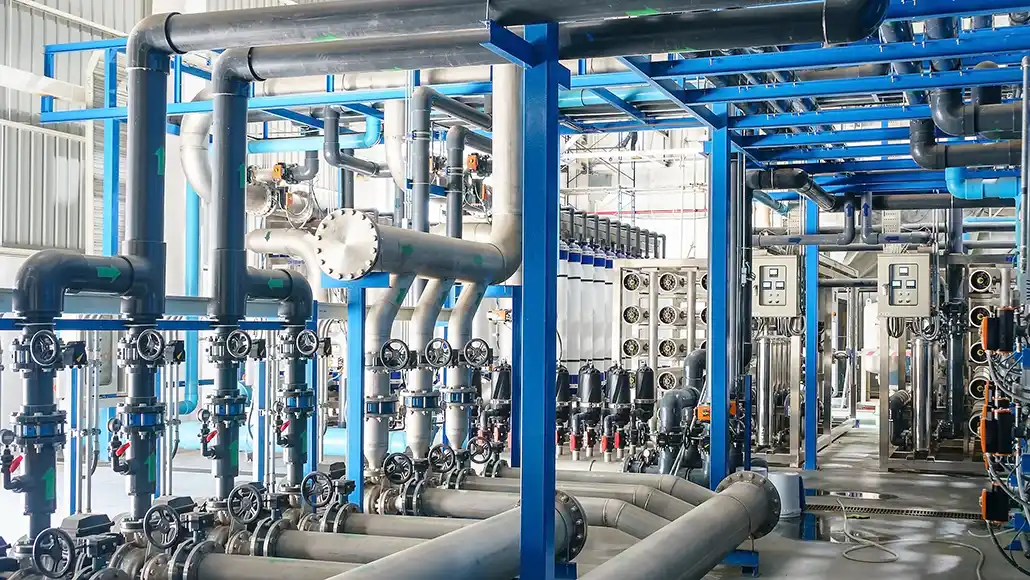
Pre-treatment, or external treatment, prepares the water before it enters the system. Softeners, filters, and deaerators are common tools. When this step is done well, the boiler stays cleaner and easier to monitor. It also reduces the amount of chemical adjustments needed later.
Chemical Treatment
Chemical treatment keeps pH, corrosion, and mineral levels in balance. Every plant adjusts the mix based on its water source. Regular testing helps operators stay on track. Chemical balance also helps maintain a stable boiler water level by reducing foaming.
Blowdown Control
Blowdown removes water with high levels of dissolved solids. Without blowdowns, solids settle and lead to scale or foaming. Both can affect fuel consumption and stress the equipment. Consistent blowdowns keep the system steady and lower long-term maintenance costs.
Monitoring and Testing
Water treatment only works when operators pay attention to what the boiler is telling them.
Routine Water Testing
Most plants check pH, hardness, alkalinity, dissolved oxygen, and conductivity. These tests don’t take long, but they give a clear picture of how the boiler is handling the load. They help catch small shifts before a problem shows up on the boiler floor.
Automated Tools
Some plants use sensors for real-time monitoring. These tools alert operators when something starts to drift. Automation doesn’t replace people, but it helps them respond faster and avoid mistakes.
Daily Best Practices
The most reliable boilers are usually the ones cared for with simple daily habits.
Clear Operating Procedures
Easy-to-follow steps help operators stay consistent. These instructions cover testing, chemical dosing, blowdowns, and checking the boiler water level. They also help new staff settle into their role more quickly.
Regular Staff Training
Training gives staff the confidence to handle treatment issues. When plants upgrade equipment or change processes, training becomes especially important. Well-prepared operators prevent many problems before they start.
Consistent Equipment Maintenance
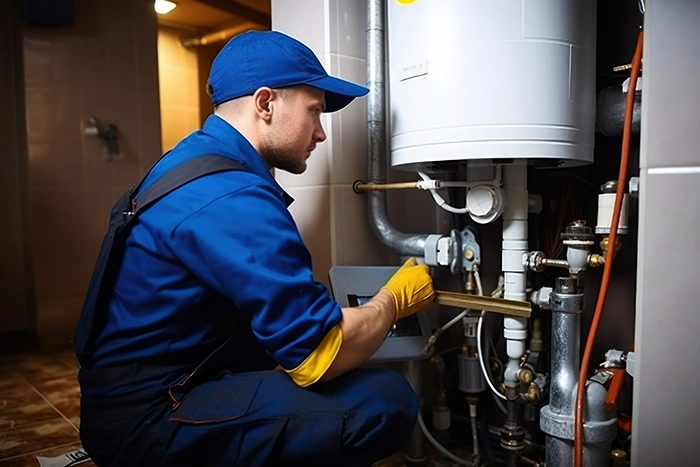
Water treatment tools like pumps, filters, and sensors need regular attention. A small issue in the equipment can lead to bigger problems inside the boiler. Routine checks help keep water quality steady and avoid unnecessary maintenance costs.
Good Record Keeping
Logs help operators track what’s normal and what’s not. They support troubleshooting and make shift changes smoother. Over time, they also help plants spot patterns they wouldn’t notice otherwise.
Conclusion
Water treatment protects boilers from problems that slowly weaken performance. Balanced water reduces fuel use and supports steady operation. Simple routines like testing, blowdowns, and chemical control make a big difference. Training and clear steps help operators stay consistent. With regular care, boilers continue to support plant operations with fewer interruptions.