











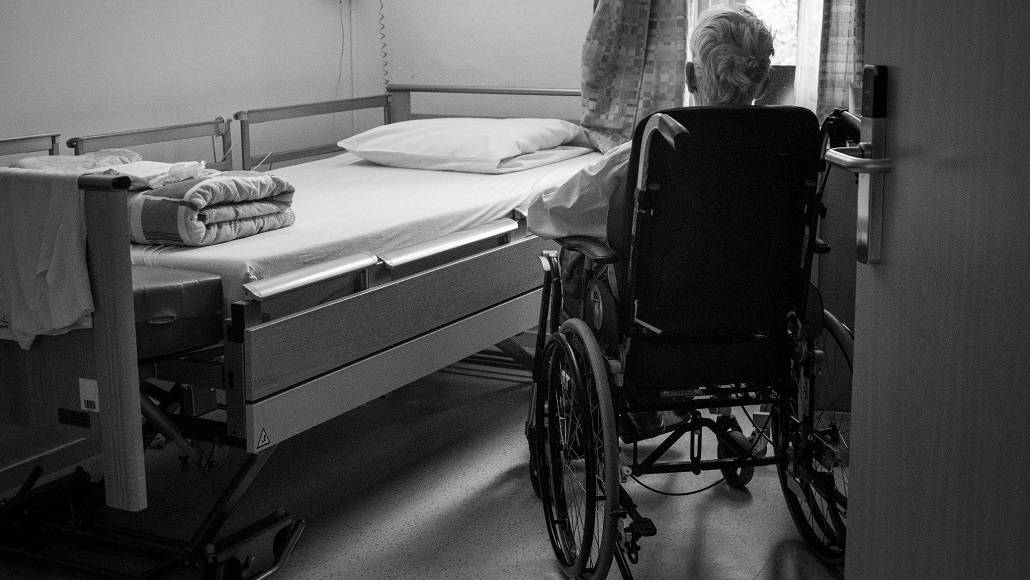
Older adults in nursing homes rely on consistent, accurate medical care to stay healthy. Simple health issues can turn into serious complications when that care falls below basic standards. Many of these problems develop slowly and become dangerous before families even realize what is happening. Understanding how poor medical care affects residents helps families notice early warning signs and protect their loved ones. This article breaks down some of the core elements for you.
1. Pressure Sores
Pressure sores, also called bedsores, form when a resident stays in one position for too long. Healthy facilities use routine repositioning to keep blood flowing and prevent skin damage. Stage 3 and Stage 4 pressure sores can lead to bone infections, sepsis, and long hospital stays. These complications are almost always preventable with basic medical attention.
Families often start questioning whether neglect occurred and whether it may be time to explore legal options when sores appear or worsen without explanation. In some cases, families can choose to sue nursing home for neglect when these injuries result from ongoing care failures. Common causes of pressure sores include:
- Residents not being repositioned every two hours
- Poor hygiene and moisture that weakens the skin
- Malnutrition and low protein levels that slow healing
- Lack of medical assessment after the first signs of redness.
2. Infections
Infections are common in older adults, but they usually respond well to timely care. The problem begins when symptoms are ignored or missed. Nursing homes must monitor for common infections like urinary tract infections, pneumonia, and skin infections. Bacteria can spread rapidly if you do not check these.
Warning signs include things like sudden agitation, fever or low body temperature, rapid breathing, coughing, congestion, and unexplained weakness or pain. Older adults often show different symptoms than younger patients. Confusion is one of the first signs of a urinary tract infection in people over 70. A delay of even 24 to 48 hours can allow the infection to progress to sepsis, which is life-threatening. Untreated infections often reflect serious gaps in medical care.
3. Dehydration and Malnutrition
Dehydration and malnutrition are two of the most widely reported problems in nursing homes. Both conditions develop when staff fail to track daily fluid intake, meal completion, and sudden weight changes. Dehydration can cause kidney problems, electrolyte imbalances, confusion, and dangerous drops in blood pressure. Malnutrition increases the risk of infections and slows wound healing.
Regular weight checks, hydration logs, and proper meal monitoring prevent these issues, but they require consistent care. When these basic steps are missing, residents can decline quickly without a clear explanation.
4. Medication Errors
Many nursing home residents take multiple medications. Accurate dosing and timing are critical to prevent dangerous interactions. Poor medical oversight can lead to missed doses, double doses, or incorrect medications.
The most common medication errors involve incorrect dosage or timing, mixing medications, poor documentation and communication, and failure to monitor side effects. These errors can cause heart rhythm changes, low blood pressure, internal bleeding, confusion, or sudden falls. Simple checks, such as medication reconciliation and consistent chart reviews, prevent most issues.
Endnote
Poor medical care usually reflects deeper issues inside a nursing home. These include understaffing, lack of training, poor oversight, and weak communication between medical teams. Here, legal support becomes especially important when injuries continue, records are unclear, or explanations keep changing. Families who pay attention to early medical signs, track changes, and ask direct questions can help protect their loved ones and take timely action when care begins to decline.