








Achema middle east

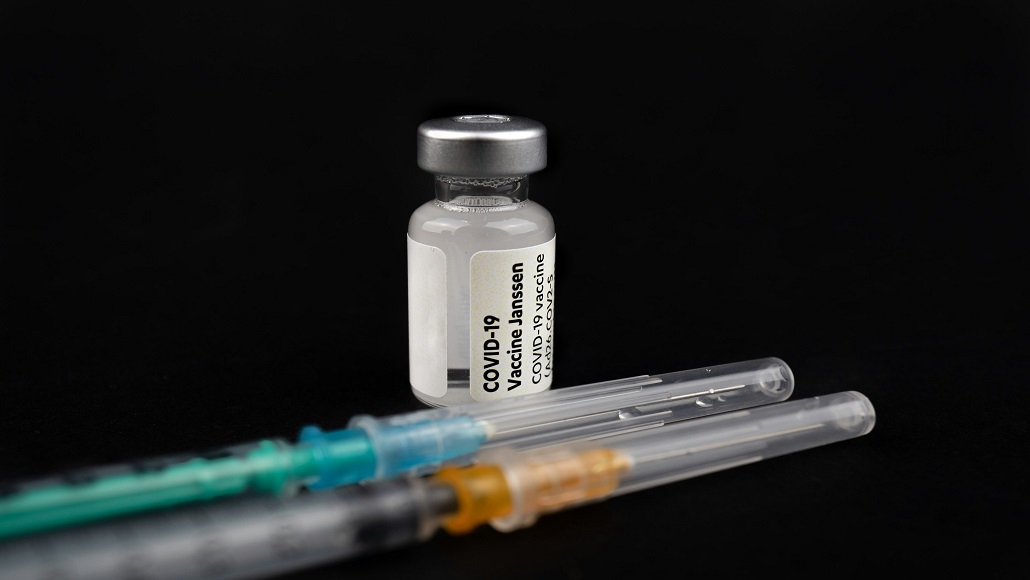
Projected Growth of Injectable Drug Market To $1139B By 2029

Note* - All images used are for editorial and illustrative purposes only and may not originate from the original news provider or associated company.

Subscribe

- Never miss a story with notifications

- Gain full access to our premium content

- Browse free from any location or device.

Media Packs

Expand Your Reach With Our Customized Solutions Empowering Your Campaigns To Maximize Your Reach & Drive Real Results!

– Access the Media Pack Now

– Book a Conference Call

Leave Message for Us to Get Back

Related stories

AstraZeneca Commits $100mn for Pan-KRAS Inhibitor by Jacobio

AstraZeneca has gone ahead and committed $100 million to...

Laboratory Equipment Outsourcing Through CDMOs: Strategic and Cost Implications

Outsourcing laboratory infrastructure to CDMOs offers pharma companies critical agility, transforming fixed capital costs into flexible operational expenses while accessing cutting-edge technology like Cryo-EM.

Specialized Laboratory Equipment Requirements for Biologics and Biosimilar Development

The development of complex biological molecules requires a specialized toolkit distinct from traditional small-molecule chemistry. This article details the critical laboratory equipment—from advanced bioreactors to high-resolution characterization tools—that enables the precise engineering and rigorous analysis required for successful biologics and biosimilar innovation.
- Advertisement -

According to a recent analysis released by MarketsandMarkets, the injectable medication delivery market is expected to grow at a compound annual growth rate (CAGR) of about 9% between 2024 and 2029.

By 2029, this market is projected to be worth $1139 billion.

It should be mentioned that injectable medications are being used extensively to treat TB and other chronic illnesses like HIV/AIDS. According to the paper, the treatment plan for the latter mostly consists of injectable medications such as streptomycin, isoniazid, and rifampin in addition to oral antibiotics.

Conversely, injectable vaccinations work by stimulating the immune system to help ward against diseases like the flu. The study emphasizes that this mechanism in the body is apparently driven to produce antibodies in order to avoid infection.

Notably, North America had the greatest market share in 2023 due to the region’s willingness to invest in cutting-edge technologies such as injectable medication delivery systems. This contributed to the market’s expansion and the region’s acceptance of these therapies, in a sense.

The survey also revealed that the market for injectable medication delivery was significantly influenced by more technological breakthroughs, an increase in the prevalence of chronic illnesses, and increased government support from across the globe.

The research went on to say that improved infrastructure throughout the healthcare spectrum and countries that are experiencing rapid urbanization are contributing factors to the industry’s current boom. All of this has increased drug accessibility for injectables. Pharma companies in the injectable medication delivery business are refocusing their efforts to increase their market share in order to facilitate this expansion.

In the market for injectable medication delivery, approvals

Zepbound, an injectable from Eli & Lilly, became the first and only obesity medication to be authorized by the US FDA in November 2023. Additionally, in October 2022, GSK BOOSTRIXes were authorized for use in babies less than two months old. The research continued by stating that Teva Pharmaceuticals Industries Ltd., Sandoz, and Eli Lilly and Company are the three main competitors in the injectable medication delivery business.
Latest stories

Related stories

AstraZeneca Commits $100mn for Pan-KRAS Inhibitor by Jacobio

AstraZeneca has gone ahead and committed $100 million to...

Laboratory Equipment Outsourcing Through CDMOs: Strategic and Cost Implications

Outsourcing laboratory infrastructure to CDMOs offers pharma companies critical agility, transforming fixed capital costs into flexible operational expenses while accessing cutting-edge technology like Cryo-EM.

Specialized Laboratory Equipment Requirements for Biologics and Biosimilar Development

The development of complex biological molecules requires a specialized toolkit distinct from traditional small-molecule chemistry. This article details the critical laboratory equipment—from advanced bioreactors to high-resolution characterization tools—that enables the precise engineering and rigorous analysis required for successful biologics and biosimilar innovation.

Next-Generation Laboratory Equipment Redefining Drug Discovery Workflows

Advanced technologies such as AI-integrated high-throughput screening platforms and automated assay systems are fundamentally transforming early-stage pharmaceutical research. These innovations address critical bottlenecks in productivity and data quality, enabling research teams to accelerate timeline-to-candidate selection while enhancing the predictive accuracy of drug discovery campaigns.

Subscribe

- Never miss a story with notifications

- Gain full access to our premium content

- Browse free from any location or device.

Media Packs

Expand Your Reach With Our Customized Solutions Empowering Your Campaigns To Maximize Your Reach & Drive Real Results!

– Access theMedia Pack Now

– Book a Conference Call

Leave Message for Us to Get Back

Translate »