








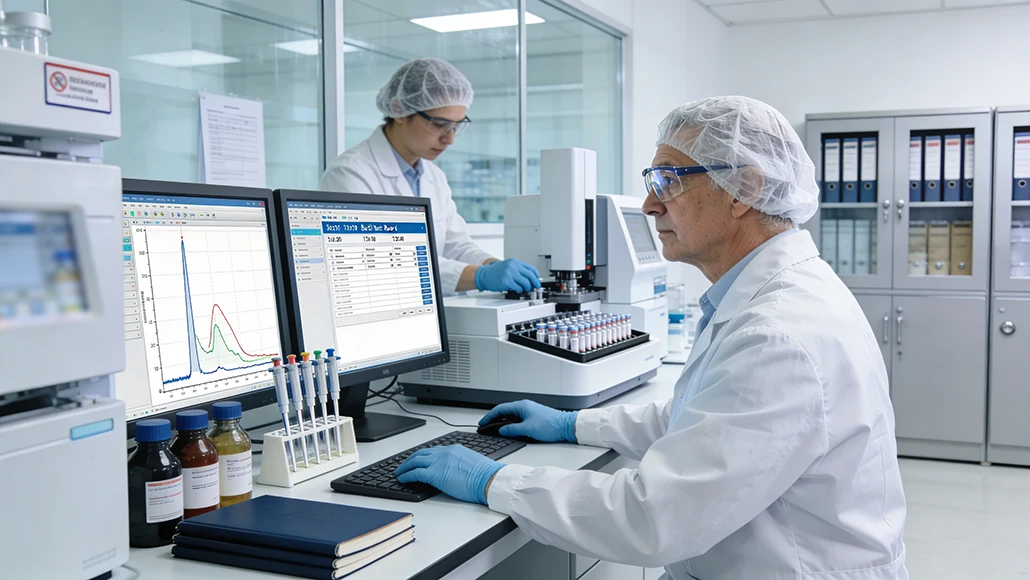
The Quality Control (QC) laboratory is the final bastion of safety in the pharmaceutical manufacturing process, serving as the critical gatekeeper between the factory floor and the patient. In an era where drug molecules are becoming increasingly complex and global regulatory expectations are at an all-time high, ensuring regulatory compliance in pharmaceutical QC labs has transitioned from a standard operational requirement to a sophisticated strategic priority. The modern QC environment must navigate a landscape defined by the rapid evolution of analytical chemistry, the discovery of new and insidious impurities, and the fundamental shift toward digital data integrity. This requires more than just following a set of standard operating procedures; it demands a deep, scientific understanding of the interactions between drug substances, excipients, and environmental factors. As international health authorities such as the FDA and EMA intensify their scrutiny, the laboratory must demonstrate a culture of quality that is both proactive and transparent, ensuring that every result is a true reflection of product purity and therapeutic potential.
Achieving this level of excellence requires a multi-disciplinary approach that integrates advanced instrumentation with a robust quality management system. The laboratory is no longer a standalone unit but an integral part of a global supply chain where the data generated in a single test can have massive implications for a company’s license to operate. The move toward “Quality by Design” (QbD) means that the QC lab is involved much earlier in the product lifecycle, helping to define the parameters that ensure long-term stability and safety. By embracing this holistic vision, manufacturers can move beyond the “pass/fail” mentality of the past and build a resilient framework that can withstand the pressures of an increasingly volatile and transparent global market. The commitment to compliance is, at its heart, a commitment to the patient, ensuring that the healing promise of modern medicine is never compromised by the presence of avoidable risks or chemical contaminants.
The Strategic Evolution of Global Quality Standards
The regulatory environment for pharmaceutical manufacturing is in a state of constant motion, driven by the emergence of new toxicological data and the continuous improvement of analytical capabilities. The International Council for Harmonisation (ICH) provides the framework through which these global standards are aligned, with guidelines such as ICH Q2(R2) for analytical validation and Q14 for analytical procedure development. Ensuring regulatory compliance in pharmaceutical QC labs now requires a meticulous adherence to these updated mandates, which emphasize a lifecycle approach to method performance. This means that an analytical method is not simply validated once and forgotten; it must be continuously monitored and re-verified throughout its use to ensure it remains fit for purpose in the face of changing raw materials or instrument aging. This ongoing vigilance is essential for maintaining the “validated state” that is the hallmark of a compliant laboratory.
Furthermore, the discovery of trace-level impurities like nitrosamines has forced a rethink of how Good Manufacturing Practice (GMP) is applied in the lab. Traditional testing methods that were considered adequate a decade ago are often insufficient for the “ultra-trace detection” levels now required by health authorities. QC labs must now be equipped to handle the identification of genotoxic impurities at the parts-per-billion level, a task that necessitates a significant investment in both hardware and personnel training. The ability to interpret complex data from high-resolution systems while maintaining the strict documentation requirements of GMP is a rare and valuable skill set. Success in this environment depends on a laboratory’s ability to bridge the gap between high-level scientific research and the rigorous, repetitive demands of routine quality control, creating a culture where accuracy and compliance are inseparable.
Implementing Advanced Workflows for Trace Impurities
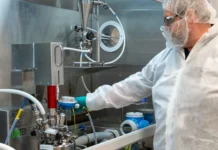
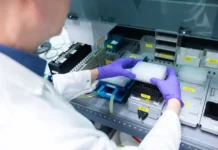
The technical heart of modern compliance lies in the implementation of sophisticated LC-MS/MS workflows and HRMS screening. These technologies provide the sensitivity and specificity required to uncover the “hidden” impurities that can arise from unexpected chemical reactions or recycled solvent streams. For example, nitrosamine testing has become a defining challenge for the industry, requiring analysts to detect carcinogens in a sea of active ingredients and complex excipients. A compliant workflow involves more than just running a sample; it requires a deep understanding of sample preparation to avoid the “in-situ” formation of the very impurity being tested. Solid-phase extraction and automated liquid handling are increasingly used to minimize human error and ensure that the analytical signal is a true representation of the sample’s state.
High-Resolution Mass Spectrometry (HRMS) has emerged as an indispensable tool for the “non-targeted” screening of raw materials and finished products. Unlike traditional assays that only look for known contaminants, HRMS provides a comprehensive chemical map of the sample, allowing for the retrospective analysis of data if new safety concerns arise. This capability is a critical part of ensuring regulatory compliance in pharmaceutical QC labs, as it allows a manufacturer to prove to regulators that they have a deep, molecular-level understanding of their product. The integration of these advanced workflows into the routine QC environment is a massive undertaking, requiring the careful validation of software and the implementation of strict data integrity controls to ensure that the electronic records are as reliable as the physical results. This technological transition is the foundation upon which the future of pharmaceutical quality is being built, providing the transparency needed to maintain public trust.
Data Integrity and the Digital Transformation of the Lab
As the volume of analytical data grows, the importance of data integrity becomes the primary focus of regulatory inspections. The “ALCOA+” principles requiring data to be Attributable, Legible, Contemporaneous, Original, and Accurate are the gold standard for laboratory documentation. Ensuring regulatory compliance in pharmaceutical QC labs in the digital age means moving away from paper-based systems toward integrated Laboratory Information Management Systems (LIMS) and Electronic Lab Notebooks (ELNs). These platforms ensure that every action, from the weighing of a sample to the final approval of a batch, is automatically captured and time-stamped. This eliminates the risk of manual data entry errors and prevents the “back-dating” of records, which is a major red flag during an audit.
The digital transformation also allows for the implementation of “Review by Exception” workflows, where the software automatically flags any results that fall outside of pre-defined limits or indicate an instrument anomaly. This allows quality managers to focus their attention on the most critical deviations, improving the efficiency and reliability of the review process. However, the implementation of these digital systems brings its own set of compliance challenges, specifically regarding software validation and the management of user access. A compliant laboratory must ensure that its digital infrastructure is secure and that all electronic signatures are legally binding and fully traceable. By mastering this intersection of analytical science and information technology, pharmaceutical companies can create a robust, audit-ready environment that serves as a powerful competitive advantage in a global market where quality is the ultimate currency.
Method Validation and the Lifecycle of Quality
The validation of an analytical method is the formal process of proving that it is suitable for its intended use. In the context of ensuring regulatory compliance in pharmaceutical QC labs, this involves a rigorous evaluation of parameters such as linearity, accuracy, precision, and robustness. However, the modern perspective on validation has shifted toward a “lifecycle” approach, as outlined in the draft ICH Q14 guideline. This approach encourages the use of a systematic, risk-based methodology for method development, where the “Analytical Target Profile” is defined before the work even begins. By understanding the variables that can affect method performance such as reagent stability or ambient temperature scientists can build robustness into the method from day one.
This lifecycle view also includes the transition of methods from a research and development setting to a commercial QC laboratory. This “method transfer” is a critical phase where the receiver lab must prove they can achieve the same results as the originator lab. Compliance during this phase requires a detailed transfer protocol and the use of identical or equivalent instrumentation. Any subtle difference in the setup of an HPLC or a mass spectrometer can lead to variations in the data, which can trigger an out-of-specification result. By treating method validation and transfer as a continuous, documented journey rather than a one-time event, the QC lab can ensure that its results remain consistent and defensible over the many years a product remains on the market. This long-term commitment to method performance is the bedrock of a successful quality program, protecting both the manufacturer and the patient from the risks of analytical variability.
Conclusion
The pursuit of regulatory compliance is a never-ending journey that requires a combination of technical mastery, operational discipline, and ethical commitment. As we look to the future, the role of the QC lab will only become more prominent as the industry moves toward personalized medicine and continuous manufacturing. Ensuring regulatory compliance in pharmaceutical QC labs will increasingly involve the use of real-time sensors and Artificial Intelligence to monitor quality in every second of production. These tools will provide a level of oversight that was previously impossible, moving the industry toward a future where batch failures are a thing of the past and every patient can be certain of the safety of their medication.
Ultimately, compliance is about more than just satisfying an inspector; it is about serving as an advocate for the patient. Every chromatogram, every mass spectrum, and every entry in a LIMS is a piece of evidence in the case for a drug’s safety. By maintaining a high standard of analytical excellence and a culture of uncompromising integrity, the QC laboratory ensures that the trust placed in the pharmaceutical industry by the public is well-founded. The commitment to ensuring regulatory compliance in pharmaceutical QC labs is a commitment to the highest ideals of science and medicine, ensuring that the therapies of today and tomorrow are delivered with the absolute precision and purity that human health deserves.