







Addiction recovery has evolved into a multidisciplinary clinical domain where pharmacological interventions and holistic modalities increasingly coexist within structured treatment frameworks. As clinical evidence continues to validate both biochemical and behavioral pathways of recovery, treatment providers are adopting integrative models that align pharmaceutical innovation with whole-person care.
Pharmaceutical Therapies in Addiction Recovery
Pharmaceutical therapies form the clinical foundation of addiction treatment by stabilizing neurobiological disruptions caused by prolonged substance exposure. FDA-approved medications such as methadone, buprenorphine and naltrexone can reduce withdrawal symptoms, normalize neurotransmitter activity and lower relapse risk.
Clinical guidance recognizes medication-assisted treatment (MAT) as an evidence-based intervention that improves treatment retention, supports recovery engagement, and reduces substance-related morbidity and mortality.
Holistic Therapies as Complementary Modalities

Holistic therapies serve as complementary interventions that address behavioral, emotional and physiological factors influencing recovery outcomes. Modalities such as mindfulness-based relapse prevention, behavioral therapy, and structured wellness support improve stress regulation and physiological stability.
These interventions enhance the effectiveness of pharmaceuticals by improving treatment adherence and engagement. Combining pharmacologic and behavioral approaches improves long-term recovery outcomes and supports more comprehensive clinical care delivery.
Integrative Care Models
Integrative care models combine pharmaceutical therapies with multidisciplinary therapeutic interventions to address addiction as a complex medical condition. Physicians, pharmacists and behavioral health professionals collaborate to align medication protocols with individualized treatment planning.
This coordinated approach improves adherence, reduces relapse risk and enhances recovery stability. For pharmaceutical stakeholders, integrated care demonstrates how pharmacologic therapies achieve optimal effectiveness when delivered within structured, multidisciplinary treatment frameworks.
How Programs Were Evaluated
The addiction recovery programs featured in this roundup were evaluated based on their integration of pharmaceutical therapies and complementary holistic treatment approaches, reflecting contemporary clinical standards. Selection criteria prioritized programs offering medically supervised detoxification, access to medication-assisted treatment and structured therapeutic interventions designed to support sustained recovery.
Additional evaluation factors included clinical oversight by licensed medical professionals, individualized treatment planning, incorporation of evidence-based complementary therapies, and organizational credibility within the addiction treatment and healthcare sectors. Programs demonstrating alignment with established clinical guidelines and integrated care delivery models were prioritized.
Best Addiction Recovery Programs Combining Pharmaceutical and Holistic Therapies
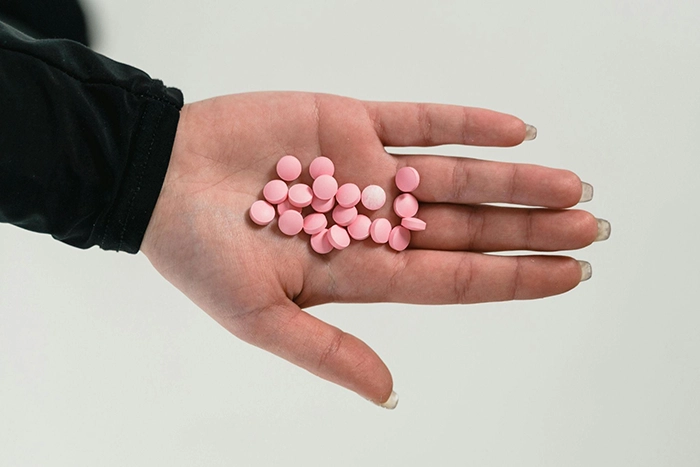
As integrative treatment models continue to gain clinical and pharmaceutical support, several providers have emerged as leaders in combining medication-assisted treatment with complementary holistic therapies. These programs exemplify how coordinated pharmacologic and multidisciplinary care can improve recovery outcomes.
1. Diamond House Detox
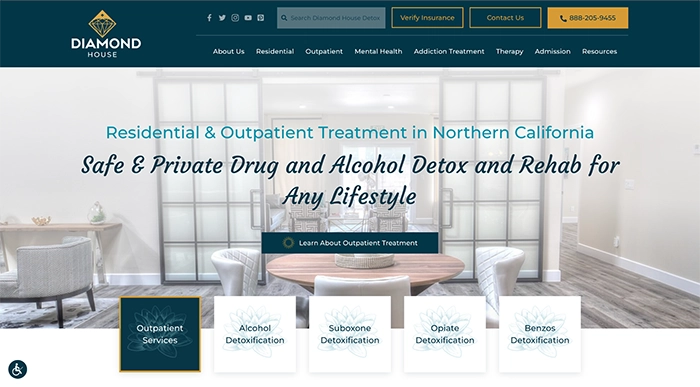
Diamond House Detox offers medically supervised detoxification services near Elk Grove, California, that integrate pharmaceutical therapies with complementary holistic interventions, reflecting modern clinical standards for comprehensive addiction recovery. The program incorporates medication-assisted treatment when clinically appropriate, helping stabilize clients experiencing withdrawal and reducing physiological stress during early recovery.
Medical oversight ensures that pharmaceutical protocols are carefully aligned with each client’s clinical needs. In addition to pharmacologic stabilization, Diamond House Detox integrates complementary, wellness-oriented interventions to support psychological resilience and engagement in recovery. This integrative approach reflects the growing recognition in the pharmaceutical sector that combining neurochemical stabilization with behavioral and supportive therapies improves adherence and long-term outcomes.
2. Hazelden Betty Ford Foundation
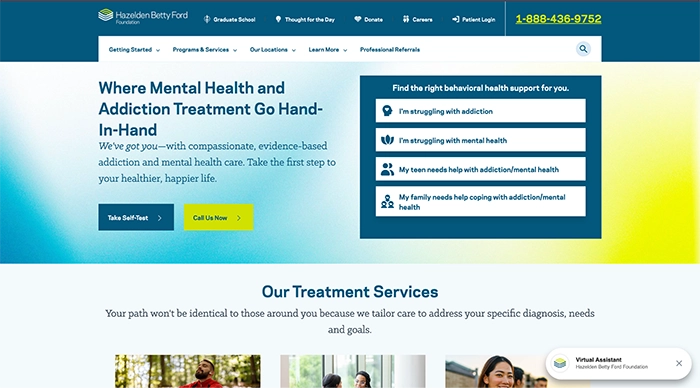
Hazelden Betty Ford Foundation is one of the most recognized addiction treatment organizations globally, offering integrated treatment programs that combine pharmaceutical therapies with evidence-based behavioral interventions. Its clinical teams administer FDA-approved medications to support withdrawal management and relapse prevention while providing structured therapeutic programming.
The organization’s multidisciplinary care model aligns pharmacologic treatment with mental health services, counseling and recovery planning. This integrated framework supports both physiological stabilization and long-term behavioral recovery, demonstrating how pharmaceutical therapies function most effectively when paired with comprehensive treatment strategies.
3. Caron Treatment Centers
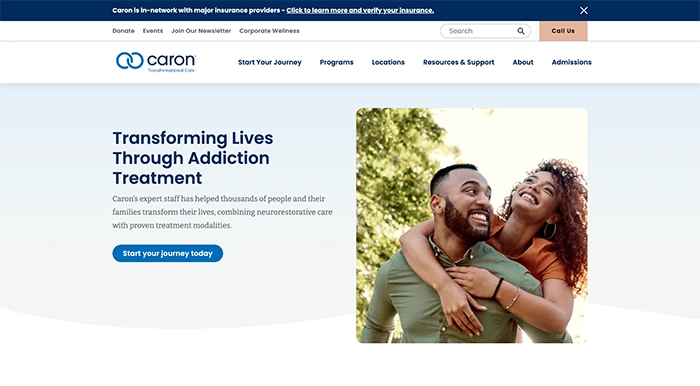
Caron Treatment Centers incorporates pharmaceutical therapies into its multidisciplinary addiction treatment programs. Medically supervised detoxification and psychiatric support help stabilize clients while therapeutic programming addresses behavioral and psychological recovery needs.
Caron’s treatment model emphasizes clinical assessment, individualized treatment planning and coordinated care delivery. By integrating pharmaceutical therapies with structured recovery support, the organization demonstrates how medical and behavioral interventions work together to improve treatment engagement and long-term recovery outcomes.
FAQs

Here are some common questions about using pharmaceutical and holistic therapies in addiction recovery.
What Is Medication-Assisted Treatment (MAT)?
Medication-assisted treatment refers to the use of FDA-approved pharmaceutical therapies, such as methadone, buprenorphine or naltrexone, to stabilize brain chemistry, reduce withdrawal symptoms and lower relapse risk. Clinical guidance from the Substance Abuse and Mental Health Services Administration and the American Society of Addiction Medicine identifies MAT as a foundational component of evidence-based addiction treatment.
Why Are Holistic Therapies Used Alongside Pharmaceutical Treatments?
Holistic therapies address psychological, behavioral and physiological factors that pharmaceutical therapies alone may not fully resolve. These complementary interventions improve emotional regulation, reduce stress-related relapse triggers and enhance overall treatment engagement, supporting improved clinical outcomes when combined with pharmacologic care.
Do Integrated Treatment Programs Improve Pharmaceutical Treatment Outcomes?
Yes. Integrated programs improve medication adherence, treatment retention and overall recovery stability. By addressing both neurobiological and behavioral components of addiction, these programs create conditions that allow pharmaceutical therapies to function more effectively.
How Do Pharmaceutical Therapies Reduce Relapse Risk?
Pharmaceutical therapies stabilize altered neurotransmitter systems, reduce cravings and block euphoric substance effects. This stabilization allows clients to engage more fully in therapeutic interventions and reduces physiological triggers associated with relapse.
Advancing Pharmaceutical Effectiveness Through Integrated Treatment Models

Pharmaceutical therapies remain central to addiction recovery, providing critical neurobiological stabilization that supports early and sustained rehabilitation. However, their effectiveness is significantly enhanced when integrated within multidisciplinary care models that incorporate complementary behavioral and holistic therapies. As the addiction treatment landscape evolves, integrated models will continue to define best practices in pharmaceutical-supported care.