











The pharmaceutical industry stands at a critical juncture where the sheer volume of data generated during drug development and manufacturing has outpaced traditional management methods. In an era defined by rapid innovation and heightened regulatory scrutiny, the ability to maintain a pristine record of every decision, test, and deviation is no longer just a logistical requirement; it is a fundamental pillar of public trust. Achieving this level of precision necessitates a transition toward more sophisticated models of information management. Driving documentation integrity through structured drug data represents the most effective path forward for organizations seeking to navigate the complexities of modern medicine while ensuring that their regulatory submissions remain beyond reproach.
Historically, the industry relied heavily on paper-based systems or disconnected digital folders, which often led to data fragmentation. This fragmentation creates significant risks, particularly when it is time to demonstrate the history of a product’s development. When information is trapped in silos, the narrative of a drug’s journey becomes obscured, making it difficult to verify the authenticity and chronological accuracy of the data. By leveraging advanced platforms designed specifically for the life sciences, companies can ensure that every piece of information is captured in a structured format from the moment of inception. This structural foundation is what allows for true regulatory documentation integrity, as it removes the ambiguity associated with manual entry and unorganized file storage.
The Strategic Role of Centralized Data Platforms
The shift toward structured data is largely facilitated by the emergence of specialized platforms that act as a single source of truth for drug intelligence. These platforms are not merely repositories; they are active ecosystems that enforce data standards and ensure consistency across different departments, from research and development to commercial manufacturing. When an organization utilizes these systems, they are essentially building a digital backbone that supports every aspect of their operations. The primary value of such platforms lies in their ability to provide traceable drug intelligence, which allows stakeholders to follow the lineage of a specific data point back to its original source. This level of granularity is essential for identifying the “who, what, when, and why” of any regulatory filing.
Furthermore, these platforms mitigate the human error that is often the root cause of documentation failures. By automating the data capture process and utilizing predefined templates that align with global standards, the risk of missing information or incorrectly formatted reports is significantly reduced. This automation does not replace human expertise; rather, it empowers quality professionals to focus on analysis and risk mitigation rather than the tedious task of manual data cleaning. In a landscape where the cost of a single error can lead to a Form 483 or a Warning Letter, the investment in a platform that prioritizes quality documentation control is both a financial and operational necessity.
Cultivating a Culture of Pharmaceutical Data Governance
Effective data management is not solely a technical challenge; it is a cultural one. Implementing a platform that supports structured drug data requires a comprehensive approach to pharmaceutical data governance. This governance framework defines the policies, roles, and responsibilities associated with data management throughout the product lifecycle. Without a strong governance model, even the most advanced technology will fail to deliver its full potential. Governance ensures that data is treated as a strategic asset, with clear protocols for data entry, validation, and archival.
When governance is integrated into the technological platform, it creates a self-sustaining cycle of integrity. For instance, user access controls can be strictly enforced, ensuring that only authorized personnel can modify sensitive records. Every change made within the system is automatically logged, creating a comprehensive history of the data’s evolution. This proactive approach to oversight is what ultimately builds a defensible record for regulatory bodies. It demonstrates to inspectors that the organization is not just reacting to requirements but has built a system that inherently values and protects the accuracy of its information.
Mastering Audit Trail Compliance and GMP Audit Defense
One of the most scrutinized aspects of any regulatory inspection is the audit trail. Regulators look for evidence that data has not been manipulated, deleted, or backdated. Achieving consistent audit trail compliance is a significant hurdle for companies relying on legacy systems or manual spreadsheets. Structured drug data platforms solve this by providing an immutable record of all system activities. These audit trails are time-stamped, encrypted, and easily searchable, allowing for a level of transparency that manual logs simply cannot match. When an inspector asks to see the history of a specific batch or the justification for a process change, a structured platform allows the quality team to produce that evidence in seconds.
This capability is the cornerstone of a successful GMP audit defense. During a Good Manufacturing Practice (GMP) audit, the burden of proof lies with the manufacturer. The ability to present organized, cross-referenced, and validated data is the most effective way to defend the integrity of the manufacturing process. A well-structured system allows the organization to tell a clear, coherent story of compliance. It shows that the firm has complete control over its processes and that every deviation was recorded, investigated, and resolved according to established protocols. By having this information at their fingertips, organizations can transition from a defensive posture to one of confidence during regulatory interactions.
Enhancing Inspection Readiness Pharma Through Real-Time Visibility
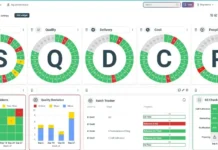
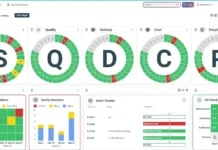
The concept of “inspection readiness” has evolved. It is no longer about a frantic few weeks of preparation before a scheduled visit; it is about maintaining a state of continuous compliance. For inspection readiness pharma, the goal is to be prepared for an unannounced inspection at any moment. Structured drug data platforms make this possible by providing real-time visibility into the compliance status of the entire organization. Dashboards can highlight missing signatures, overdue training records, or pending investigations, allowing management to address issues before they become systemic failures.
When data is structured, it becomes searchable and trendable. This allows quality units to perform internal audits and gap analyses with much greater frequency and depth. Instead of looking at a small sample of records, they can analyze the entire dataset for patterns that might indicate a drift in process control. This proactive identification of risks is the hallmark of a mature quality system. It ensures that when an inspector finally arrives, there are no surprises. The documentation is already organized, the narratives are already written, and the evidence of compliance is readily accessible, significantly reducing the duration and stress of the inspection process.
The Technological Evolution of Compliance Documentation Systems
The infrastructure supporting the pharmaceutical industry is undergoing a digital transformation. Modern compliance documentation systems are moving toward cloud-based architectures that offer greater scalability and security than on-premise solutions. These systems are designed to handle the massive datasets associated with genomics, proteomics, and large-scale clinical trials, all while maintaining the integrity required by 21 CFR Part 11 and Annex 11. The integration of these systems with other enterprise resources, such as Laboratory Information Management Systems (LIMS) and Enterprise Resource Planning (ERP) software, creates a seamless flow of data that further strengthens the documentation trail.
By utilizing a platform that centralizes this information, companies can also leverage artificial intelligence and machine learning to further enhance documentation integrity. These technologies can be trained to spot inconsistencies or anomalies in data that a human reviewer might overlook. For example, AI can cross-reference stability data with manufacturing logs to ensure that all parameters were within the validated range. This adds an extra layer of verification, ensuring that the structured data remains accurate throughout its entire lifecycle. The convergence of structured data and advanced analytics is the future of the industry, providing a level of oversight that was previously unimaginable.
Long-Term Benefits of Traceable Drug Intelligence
Beyond the immediate goal of passing an inspection, the long-term benefits of maintaining traceable drug intelligence are profound. This intelligence becomes a goldmine for process optimization and product improvement. When an organization can see the direct link between raw material attributes and final product quality, they can fine-tune their manufacturing processes to reduce waste and improve yields. In the event of a product complaint or a recall, having structured data allows for a surgical response. Instead of recalling an entire year’s worth of production, the company can pinpoint the specific batches, machines, or operators involved, minimizing the financial impact and protecting the brand’s reputation.
Furthermore, structured data facilitates smoother knowledge transfer during mergers, acquisitions, or partnerships. In the high-stakes world of biopharma deals, the value of a drug candidate is directly tied to the integrity of its documentation. A company that can demonstrate a clear, structured, and compliant history of development is a much more attractive partner. It reduces the due diligence burden and provides the acquiring party with confidence that the regulatory foundation is solid. In this sense, Driving documentation integrity through structured drug data is not just a compliance activity; it is a strategic business driver that enhances the overall value of the intellectual property.
Finalizing the Path to Regulatory Excellence
The journey toward total documentation integrity is an ongoing process that requires constant vigilance and the right tools. As regulatory expectations continue to rise, the margin for error will only shrink. Organizations that continue to rely on antiquated, unstructured data methods will find themselves at a significant disadvantage, facing increased risks of regulatory action and operational inefficiencies. The adoption of specialized platforms that prioritize structured data is the only sustainable way to meet the challenges of the modern pharmaceutical landscape.
In conclusion, the integration of structured data into the heart of pharmaceutical operations is the most effective way to ensure that every record is accurate, traceable, and defensible. By focusing on regulatory documentation integrity and utilizing platforms that provide traceable drug intelligence, companies can secure their place in a competitive market. This approach does more than just satisfy a checklist of requirements; it builds a foundation of excellence that supports the ultimate goal of the industry: delivering safe and effective therapies to patients who need them. The future of the industry belongs to those who can master their data, turning it from a liability into a powerful asset for innovation and growth.