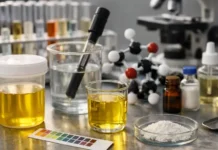
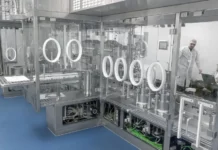


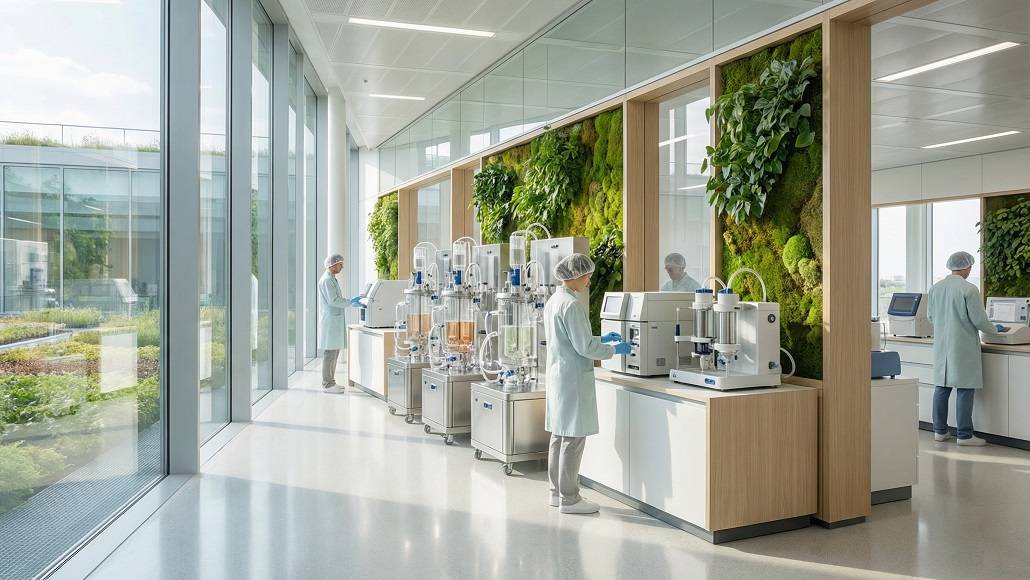
The pharmaceutical industry faces a unique sustainability paradox: it is dedicated to improving human health, yet its research and manufacturing operations leave a heavy environmental footprint. Laboratories are notoriously resource-intensive, consuming up to ten times more energy per square foot than typical office spaces and generating vast amounts of plastic and chemical waste. However, a wave of “Green Pharma” initiatives is driving a transformation in how labs are outfitted. Today, energy-efficient sustainable laboratory equipment solutions are not just niche alternatives; they are becoming the standard for forward-thinking organizations committed to Environmental, Social, and Governance (ESG) goals. This shift represents a holistic rethinking of the scientific workspace, where ecological impact is weighed alongside analytical performance.
The Cold Storage Revolution: Greening the -80°C
The most energy-hungry appliance in any life science laboratory is the Ultra-Low Temperature (ULT) freezer. Often running 24/7/365 to preserve critical samples at -80°C, a single older model can consume as much electricity as an average American household. This immense energy draw has made cold storage a primary target for sustainability officers.
Manufacturers have responded with a new generation of green freezers. These units have replaced traditional, high-GWP (Global Warming Potential) hydrofluorocarbon refrigerants with natural hydrocarbon alternatives (like ethane and propane). Hydrocarbons not only have negligible impact on the ozone layer but also possess superior thermodynamic properties, allowing the compressors to work less to maintain temperature.
Furthermore, modern ULTs feature variable-speed drive (VSD) compressors. Unlike standard compressors that cycle strictly on or off, VSDs adjust their speed to match the cooling demand, minimizing energy spikes. When combined with advanced vacuum-insulated paneling, these energy-efficient sustainable laboratory equipment solutions can reduce energy consumption by 40-60%. For a large biobank housing hundreds of freezers, this translates to hundreds of thousands of dollars in annual savings and a massive reduction in Scope 2 carbon emissions.
Fume Hoods and Airflow Optimization
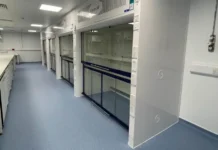
Chemical fume hoods are vital safety devices, but they are also massive energy sinks because they constantly exhaust conditioned air (heated or cooled) out of the building. In a typical lab, fume hoods can account for half of the total HVAC load.
The innovation here lies in “low-flow” and “variable air volume” (VAV) fume hood designs. High-performance low-flow hoods are aerodynamically engineered to contain fumes safely at face velocities as low as 60 fpm (feet per minute), compared to the traditional 100 fpm. This reduction allows the building’s HVAC system to exhaust significantly less air. Additionally, VAV systems link the hood’s sash position to the exhaust valve; when a chemist lowers the sash, the airflow automatically ramps down. Smart sash management systems—sometimes even automatic sash closers—ensure that hoods are not left wide open when idle, stopping the unnecessary venting of energy. These technologies turn the fume hood from a passive energy drain into an intelligent, responsive component of the building’s ecosystem.
Green Chemistry and Solvent Management
Sustainability in the lab is also about what goes down the drain. “Green Chemistry” principles advocate for waste prevention, and equipment manufacturers are building tools to support this.
Automated solvent recovery systems are becoming smaller and more accessible for individual labs. These units allow researchers to distill and recycle common solvents like acetone and methanol used in cleaning or chromatography, reducing the volume of hazardous waste that must be incinerated.
In the realm of synthesis, waterless condensers are replacing traditional water-cooled Liebig condensers. A single water-cooled condenser can waste thousands of liters of tap water per year if left running. Innovative air-cooled condensers utilize finned glass surfaces and ambient air to achieve the same reflux capability without using a single drop of water, eliminating the risk of flooding and conserving a precious resource. These simple yet effective substitutions demonstrate that sustainability often lies in rethinking the most basic tools of the trade.
The “ACT” Label and Procurement Transparency
A major driver of these innovations is the demand for transparency. The non-profit organization My Green Lab has introduced the ACT (Accountability, Consistency, and Transparency) label—essentially an “Eco-Nutrition Label” for lab products. It scores equipment on manufacturing impact, energy use, water use, and end-of-life disposal.
This labeling system empowers procurement departments to make data-driven decisions. When choosing between two centrifuges, a buyer can now instantly see which one has a lower environmental impact score. This market pressure is incentivizing manufacturers to design energy-efficient sustainable laboratory equipment solutions from the ground up, considering the entire lifecycle of the product. It has created a competitive environment where “green” is a key differentiator, pushing the entire industry towards more sustainable manufacturing practices.
Conclusion
In conclusion, the adoption of sustainable laboratory equipment is no longer just an act of corporate social responsibility; it is a strategic operational upgrade. Green equipment is often newer, more reliable, and cheaper to run over its lifetime. By integrating energy-efficient freezers, smart airflow systems, and waste-reducing technologies, the pharmaceutical industry is proving that scientific excellence and environmental stewardship are not mutually exclusive. As these technologies mature, the “green lab” will stop being a special designation and simply become the standard for modern, efficient, and responsible science. The path to a net-zero future is paved with smarter choices at the bench, ensuring that the quest for better health does not come at the expense of the planet we inhabit.